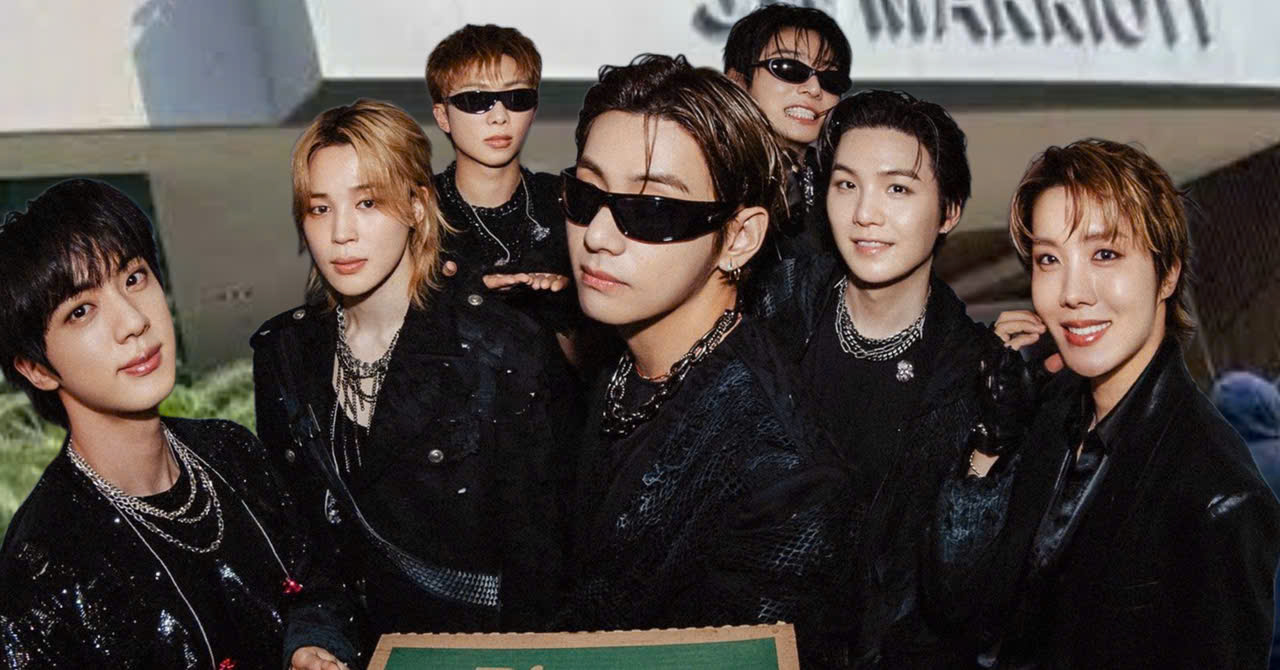
There is no easy road that leads to Rome — this saying perfectly captures the career of the members of BTS as a whole and of SUGA in particular. To achieve the success they enjoy today, the idols had to endure countless hardships, truly with “вℓσσ∂, sweat, and tears.”
If you only look at the luxurious designer outfits, high-end apartments, immense wealth, and the impressive collection of achievements that BTS now possess, you might never imagine the struggles they once went through.
These K-pop superstars used to spend entire days practicing choreography until they forgot to eat or sleep in damp basements. They were so poor that all seven members had to share meals or rely on free food from a kind restaurant owner near their company building. Even after their debut, they were looked down on and underestimated simply because they came from a small, unknown company.
Stories about the group’s “starting from zero” beginnings have become legendary both inside and outside the fandom. However, individual stories of hardship seem less widely known, including SUGA’s difficult past: he once earned less than two dollars a day and had to choose between buying a bowl of noodles or saving money for a bus ride home.
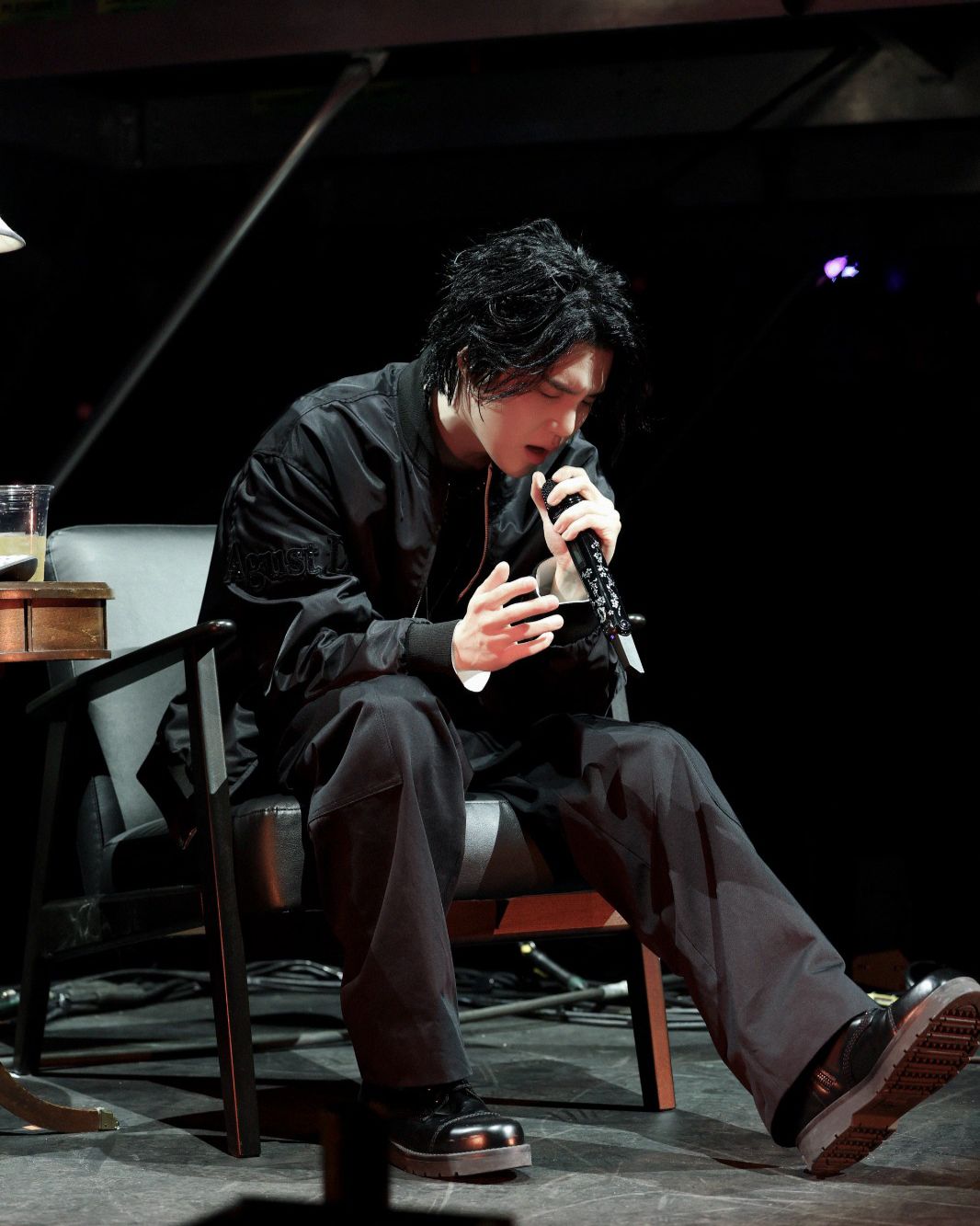
SUGA shared that before auditioning for Big Hit Entertainment, he had been an underground rapper and an unknown music producer. He composed music while working part-time at a recording studio but earned very little — only about two dollars a day.
After school and finishing his work at the studio, he had to head home. At the end of each exhausting day, both physically and mentally drained, he faced another dilemma: should he eat one-dollar noodles to save one dollar for the bus fare home, or buy two-dollar noodles and walk two hours back?
Even after signing with Big Hit Music as a trainee, life remained difficult because the company itself did not have much money. To cover tuition and living expenses in Seoul, he worked part-time as a delivery driver — and it was this job that led to his shoulder injury.
SUGA once recounted that unfortunate incident: “I had the α¢¢ι∂єит when I was delivering on a motorcycle. When I opened my eyes, I could see the wheels right in front of me. I got dragged into the wheels and couldn’t move because my shoulder was dislocated.”
He also recalled a period of severe emotional breakdown at that time: “I had such dark feelings at the time. I stayed in my room for two weeks without even cleaning up. I couldn’t go out because I was scared. I kept thinking, ‘What will happen to my life? I couldn’t even go to college now. I had an α¢¢ι∂єит and hurt my shoulder.’ I was sad and confused.”

For SUGA, that period was marked by material poverty and deep emotional pain. Fortunately, his life took a turning point afterward. Big Hit Music and Bang PD-nim learned about his circumstances and covered all his tuition and medical expenses on the condition that he focus entirely on preparing for his debut with BTS.
In the early years after debuting with BTS, his life was still difficult, but at least it had improved significantly. Especially from 2016 onward, BTS’s continued success transformed SUGA from an unknown musician earning two dollars a day into a K-pop artist with an estimated net worth of 50 million dollars in 2025.
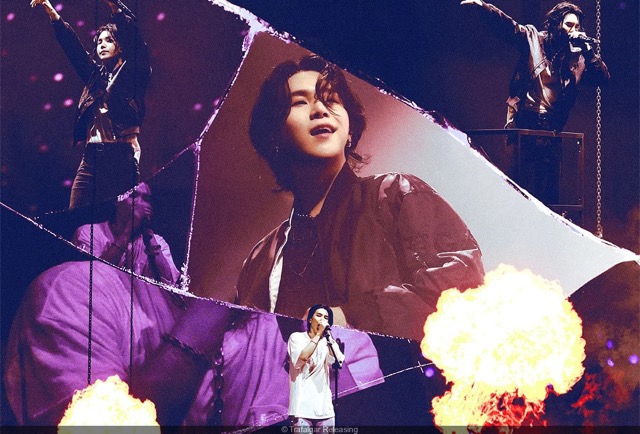
After more than ten years, SUGA finally shone on his own across 28 stages during his solo world tour in North αмєяι¢α and Asia, performing in front of approximately 320,000 fans and grossing around 57.2 million US dollars. As a music producer, he has also made a significant mark with BTS’s songs and collaborations with top artists such as IU, PSY, and Halsey.
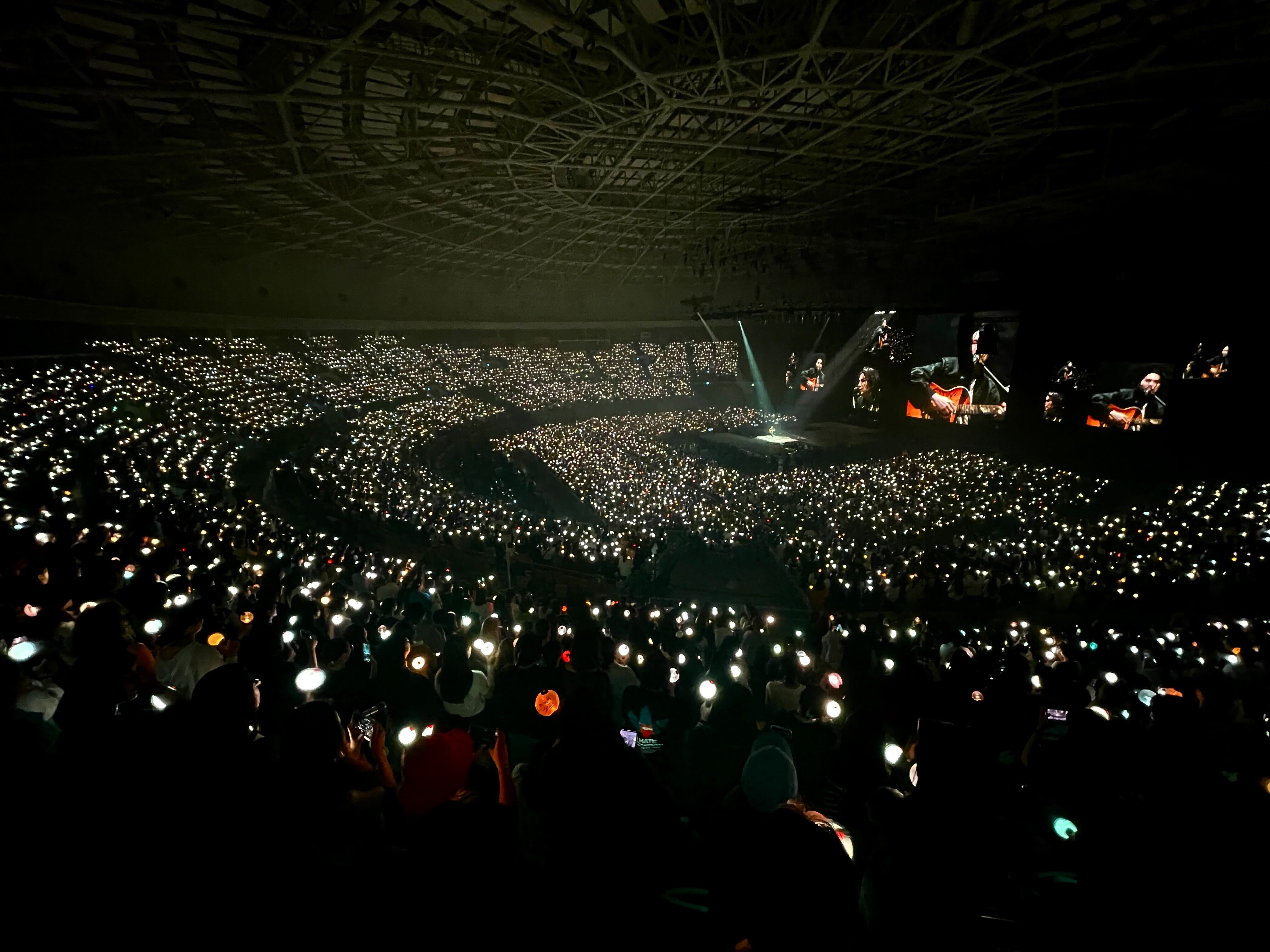
SUGA has gone through a long and arduous journey to achieve the life he has today, but what is even more impressive is that he does not enjoy his success alone — he consistently shares it with those in need. He once promised fans that if he became successful, he would buy them beef. Four years later, he fulfilled that promise by donating high-quality beef to 39 orphanages under the name “ARMY.”
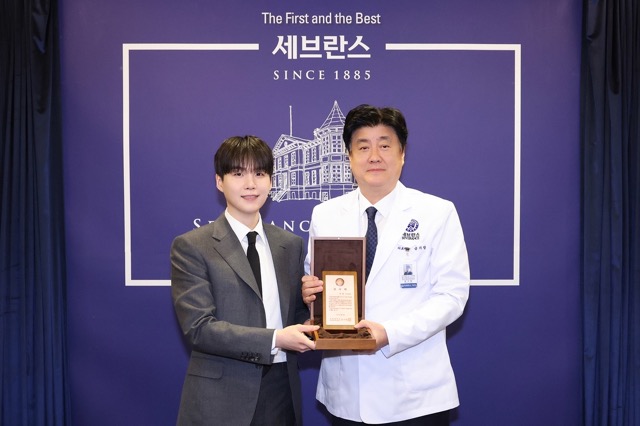
In the years since, SUGA has regularly made large donations — sometimes reaching hundreds of millions of won — to charities, treatment centers, and disaster relief funds. Notably, last July, he made history by donating 3.6 million dollars to establish a treatment center for children and adolescents with autism spectrum disorder (ASD) at Severance Hospital. This was confirmed as the largest donation ever made by an artist to a hospital or medical institution in South кσяєα.
As the saying goes, “The flower that blooms in adversity is the most rare and beautiful of all.” SUGA has left a profound impression on the public as a talented artist with unwavering determination and admirable character. His story of overcoming adversity not only evokes deep emotions but also serves as a powerful source of inspiration for the younger generation — encouraging them to dream boldly, take action, and believe in themselves.