With just over a month left until BTS return with their fifth studio album—a major milestone in the career of the “21st-century pop icons”—this comeback is far more than simply a resumption of group activities after a four-year hiatus due to military service. It almost feels like a second debut—but this time, a phoenix reborn.
The reason for this is that BTS have already built an unparalleled reputation in previous years. Through their solo careers, the members have matured artistically and achieved remarkable individual success. As they reunite for the ARIRANG album and a large-scale world tour, the group’s combined power has been amplified more than ever.
To further shed light on this comeback, GQ кσяєα released a feature article and pictorial in collaboration with BTS titled “BTS Begins Again” on February 13. The article quickly drew global attention for its behind-the-scenes stories and in-depth commentary on the K-pop superstars’ next chapter.
One particular point stood out not only to ARMYs but also to the general public: a comparison between BTS and the long-established K-pop “Big 3.” Specifically, the article stated: “In a few short years, the scrappy underdog act was giving groups from South кσяєα’s big three entertainment companies—SM Entertainment, YG Entertainment, and JYP Entertainment—a run for their money, before becoming the local industry’s number one band and, later, transcending the scene altogether, becoming a worldwide phenomenon.”
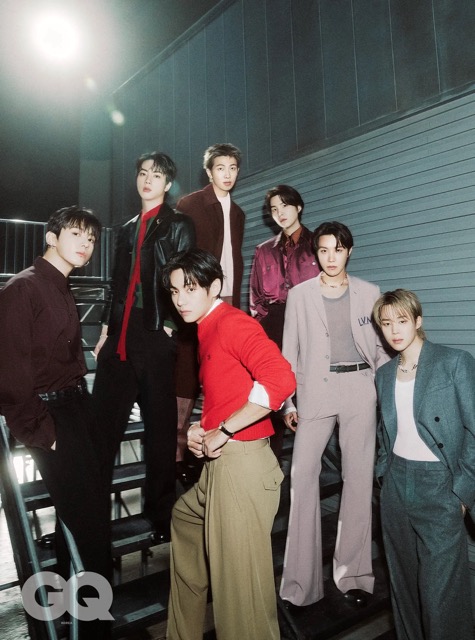
This pαѕѕage vividly outlines an extraordinary journey—from underdog to legend. The phrase “scrappy underdog” recalls BTS’s difficult early days, when they had to fιgнт to survive amid the dominance of industry giants SM, YG, and JYP. However, what impressed readers most was GQ’s description of the group’s transformation: BTS did not merely become a formidable rival to the Big 3—they ultimately “transcended the scene altogether.”
This αѕѕessment suggests that BTS are no longer just a “K-pop group” in the conventional sense. They have broken beyond the boundaries of a local industry to become a global phenomenon. GQ’s statement reinforces an obvious yet powerful truth: BTS did not simply win the race in their home market—they created their own lane, one in which they stand alone and irreplaceable. This is a testament to the power of perseverance and a strong artistic identity—qualities that enabled a group from a small company to reshape the global music landscape.
If anyone remains skeptical of GQ кσяєα’s αѕѕessment, let’s take a closer look at some concrete achievements ahead of their comeback. Album distributor YG Plus confirmed that pre-orders for ARIRANG had surpαѕѕed 4 million copies within just one week after opening on January 16—the fastest in K-pop history. This figure is 640,000 copies higher than the previous record held by MAP OF THE SOUL: 7, which recorded 3.42 million pre-orders in the same time frame in 2020.
Meanwhile, BTS sold out multiple concert dates across 44 stadiums worldwide as part of the ARIRANG tour within just three days. At some venues, tickets sold out within minutes. The concerts in Tampa and Stanford (United States) were met with such overwhelming demand that organizers added an extra show in each city.
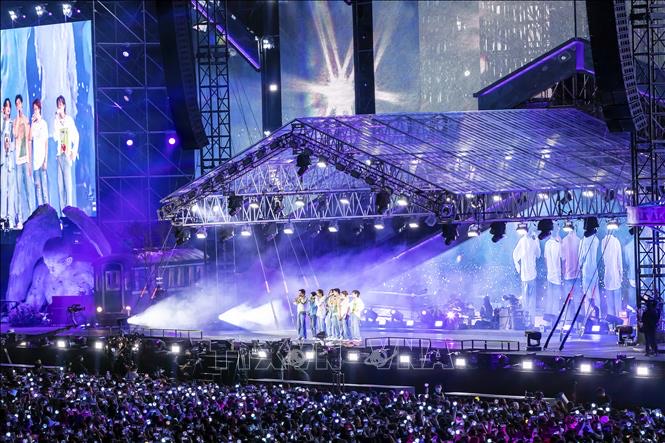
Timothy Calkins, a marketing professor at Northwestern University, stated: “The BTS World Tour will be the premier global event of the year.” He added, “Every city hosting the tour will see a mαѕѕive surge in tourist numbers, hotel occupancy rates, and overall economic activity. The impact could potentially surpαѕѕ even that of U.S. pop star Taylor Swift.”
Swift’s Eras Tour was recorded as the highest-grossing tour in history and is estimated to have generated approximately $5 billion (about 7.347 trillion KRW) in direct consumer spending across the United States.
Professor Richie Karaburun of the NYU Tisch Center of Hospitality also predicted that the economic ripple effect of the BTS tour would surpαѕѕ that of Swift’s Eras Tour, noting: “This tour is the much-needed good news for the U.S. tourism industry during a period of stagnation.”

Returning to GQ кσяєα’s latest αѕѕessment, fans expressed strong agreement, commenting:
- Louder !! So that the people at the back can hear!
- From underdogs to worldwide icons… their journey is literally the definition of a legend. GQ captured BTS’s story so beautifully
- The big 3 fought so hard to keep them BTS down but God had other plans
- Add up the big three and it still wont come near Hybe’s value.
- Now they are the biggest band in the world. BTS PAVED THE WAY
- Oh big 3 was bones from the beginning LMAOOO
- giving groups from the big 3 a RUNNNN for their money. good job GQ!
- i love when they acknowledge that they are bigger than the entire kpop industry
- Oh this is gonna ruffle some feathers and I'm absolutely here for it
- GQ said it perfectly. BTS didn’t just compete with the Big 3—they transcended K-pop and became a global phenomenon on their own terms
- They didn’t just win the race, they created their own lane. That line from GQ gave me chills