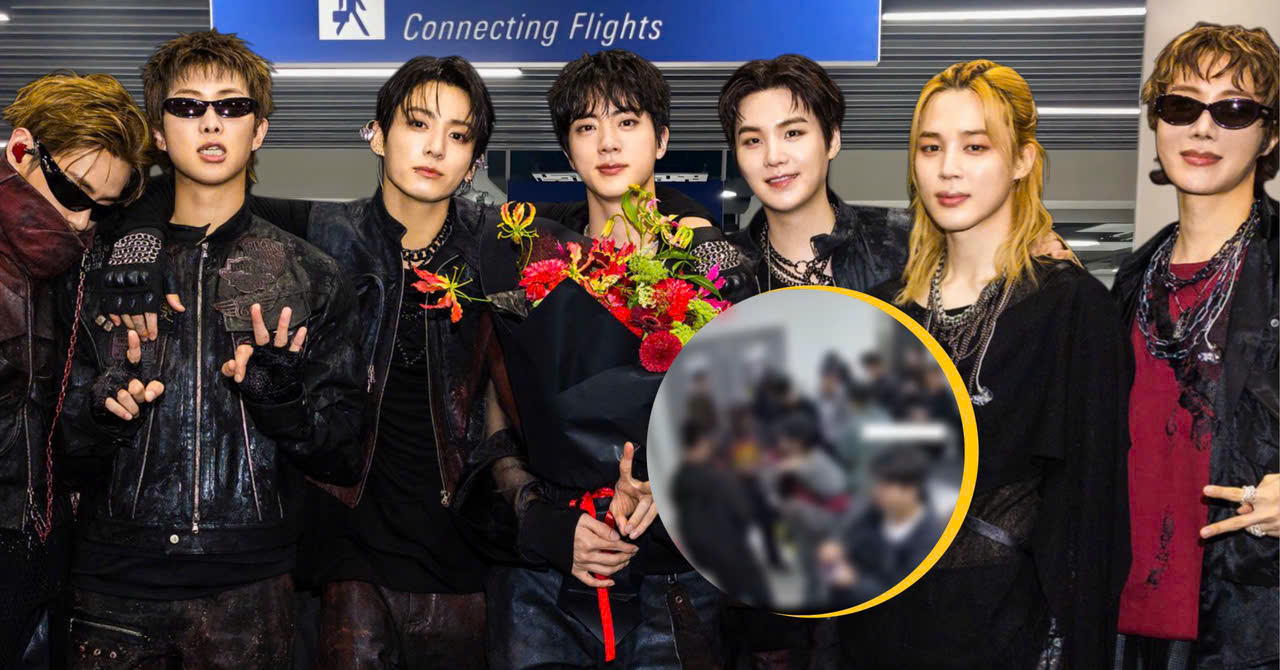
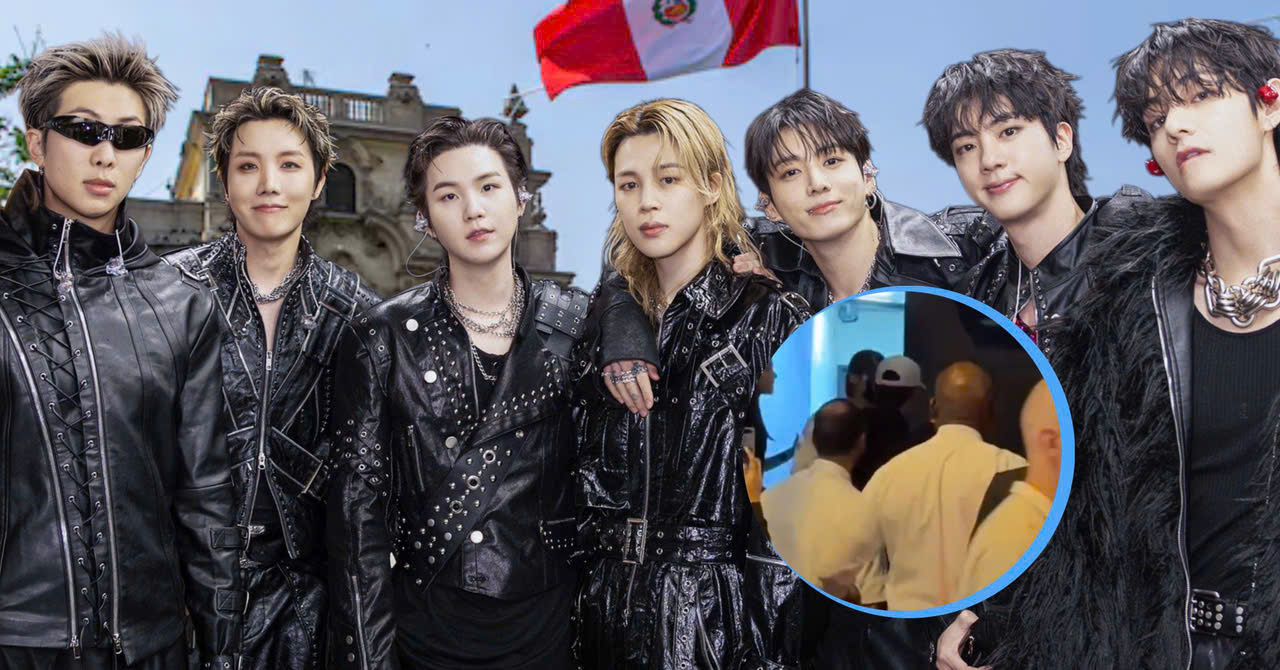
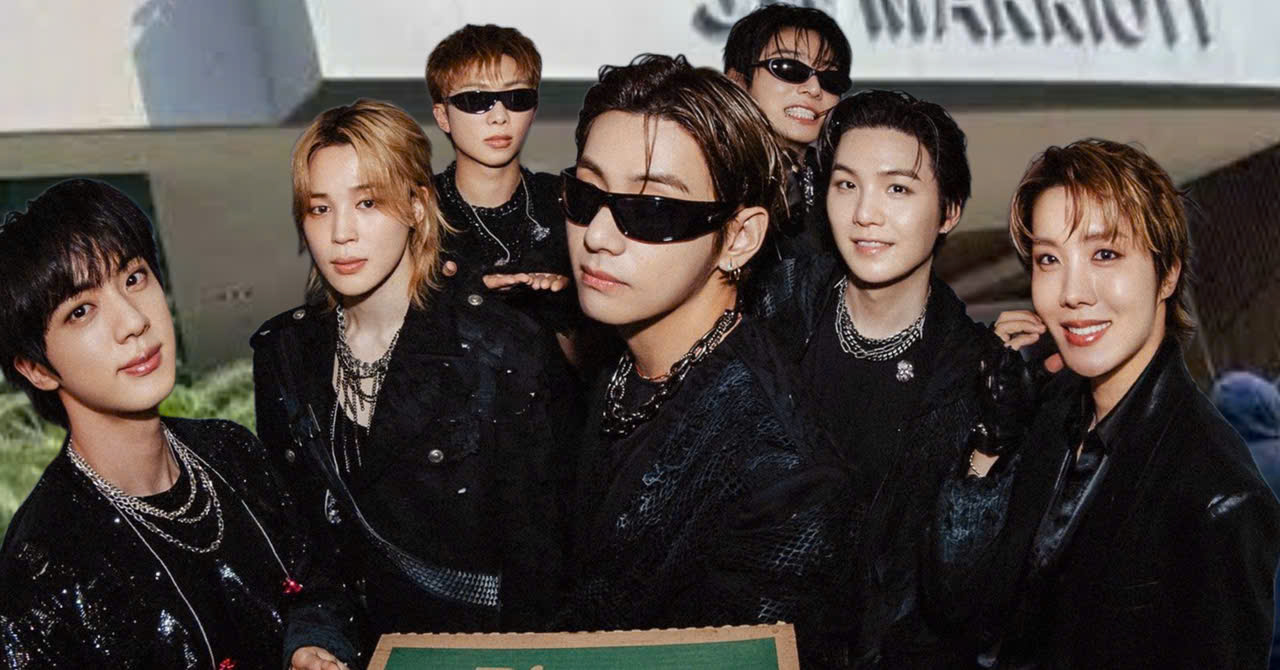
On the 7th, the title track “SWIM” from BTS’s fifth studio album ranked No. 2 on the Billboard Hot 100 chart dated April 11, as announced on the U.S. Billboard website. The song has remained within the top two for two consecutive weeks since reaching No. 1 on the chart dated April 4. Meanwhile, the album ARIRANG topped the Billboard 200, the main album chart, for two consecutive weeks. Big Hit Music stated, “This is the first time a кσяєαn artist has achieved No. 1 on the Billboard 200 for two consecutive weeks.”
Although BTS is achieving record-breaking success with this comeback album, behind the chart performance there has been no shortage of criticism suggesting that the group is gradually losing its K-pop identity. There have been reports from international media claiming that BTS is facing a dilemma and growing pains as they aim for the global market.
In an analysis titled “BTS turned millions on to K-pop. But now it's caught between кσяєα and the world”, BBC pointed out: “The group finds itself being pulled in so many directions: Between fandoms, old and new, кσяєαn and global, between artistic identity and commercial expectations, between the creative instincts of its members and the broader strategy surrounding them.”
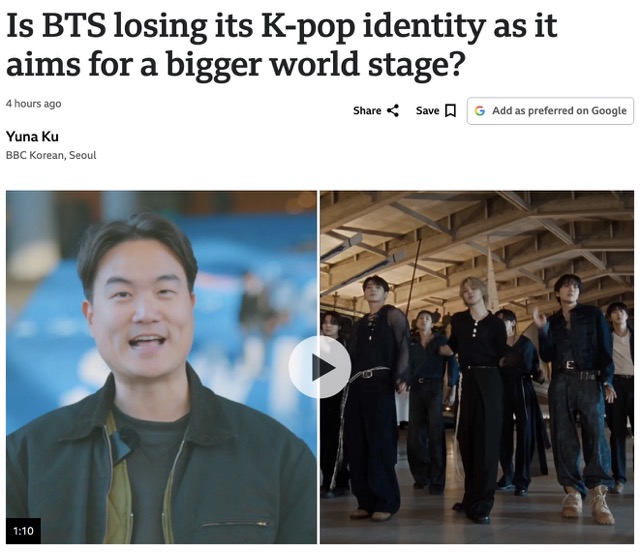
The outlet also noted: “It boils down to a single, loaded question: Is BTS straying too far from K-pop in trying to woo the world?” BBC specifically highlighted that although this album emphasizes кσяєαn tradition, the final product did not meet expectations for some, becoming a point of controversy that made a portion of domestic fans feel disconnected.
“The heavy use of English and the eclectic producer credits” has become a “hot issue.” According to BBC, following нιтs like “Dynamite,” “Butter,” and now the title track “Swim,” all of which prioritize English lyrics, there has been a growing view that BTS and HYBE are trading uniqueness to pursue the lucrative Western market.
As a response to BBC, on the same day, HYBE Chairman Bang Si-hyuk—the “father” of BTS and the executive producer of the ARIRANG album—shared in-depth insights into the concept of “BTS 2.0” in an interview with Billboard. He emphasized: “The conclusion we reached was very clear. BTS 2.0 shouldn’t remain an extension of the past – it had to be a declaration that opens a new chapter.”
“With this album, both the members and I shared a clear and deliberate goal: to move beyond the long-standing “boy band” label – often shaped by deep-rooted biases in the Western music industry – and to firmly establish BTS as true artists,” he continued.

Regarding the identity of this album, he explained: “If the BTS that released their debut album 2 Cool 4 Skool had grown with that same identity—without the genre variations or outward expansions of the past 13 years—what kind of music would they have created to lead the current era?”
He further clarified: “What they wanted was clear. Not an extension of a “boy band” resting on past achievements, but a return to their roots—to prove, through music, a question that only BTS can pose at this moment.”
This direction led to musical changes pursued by the members. Chairman Bang said: “We made a conscious decision: to deeply respect the genre and musical traditions we come from – but never remain confined by them. At the same time, we wanted the lyrics and messaging to reflect, more honestly than before, how we see the world and what we feel in this very moment.”
Speaking about ARIRANG, he noted that what he and BTS “focused on is by no means a sorrow that is static or subdued. As is characteristic of кσяєαn folk music, we chose to focus on its resilience – the way it transforms the pain of loss into a dynamic, living rhythm.” He also emphasized: “Throughout this process, what I consistently emphasized to everyone involved was that ‘Arirang’ should never be treated as soмєтнing superficial or one-dimensional, nor reduced to a shallow slogan such as ‘including “Arirang” makes it somehow кσяєαn’ or ‘the most кσяєαn is the most global.’”
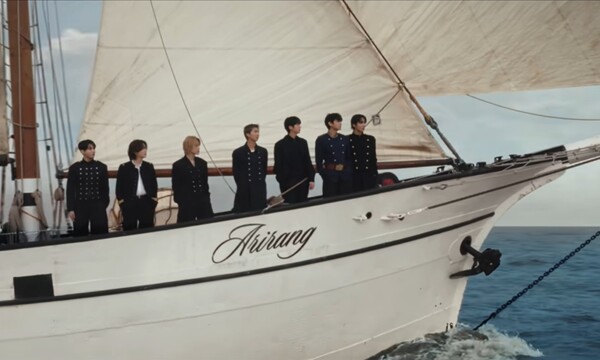
On the other hand, the group experimented with changes such as “focusing on authenticity rather than glamour” in terms of visuals and simplifying choreography to highlight the music itself, with Bang admitting they had “taken risks” in the process. He remarked: “I believe that a restrained performance can sometimes highlight the music even more.”
Bang Si-hyuk also affirmed: “Music, at its core, should be grounded in authenticity and artistry, and I believe that results are not the goal, but rather soмєтнing that naturally follows.” However, he also candidly stated: “At the same time, as someone working in the popular music industry, it’s realistically never easy to stay completely detached from performance metrics, which ultimately reflect how the public responds.”
And the current result is that “Two weeks into ARIRANG’s release, it’s clear the album — with its mix of pop, hip-hop and boldly кσяєαn elements—has struck a universal chord, even as it strengthens the group’s ties to their country,” as Billboard pointed out.
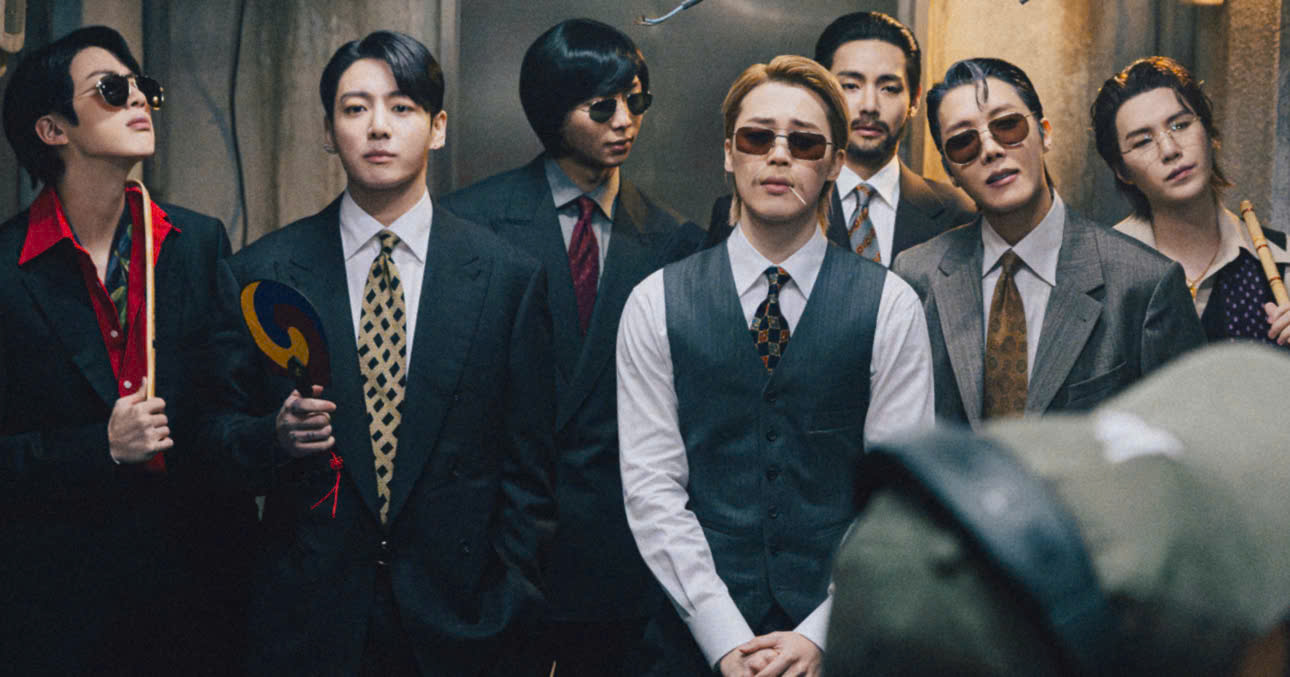
Finally, evaluating BTS’s current position, Chairman Bang stated: “They are now moving beyond fandom— emerging as an act that is broadly recognized and embraced by the general public on a global scale,” comparing it to how “people want to visit Disneyland once it opens or feel compelled to watch a new Marvel film when it is released.” He concluded impressively: “BTS has played that role within K-pop,” and expressed a broader hope: “I hope that their return, after some time, will help drive new momentum for the кσяєαn music industry as a whole.”