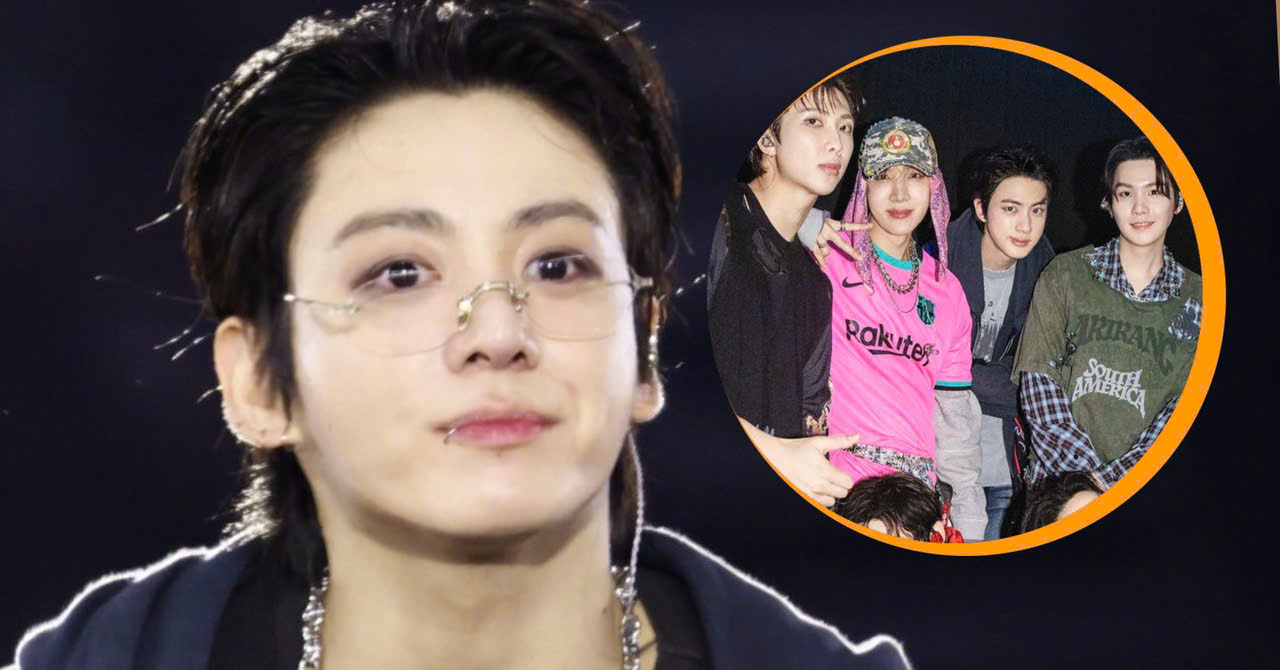
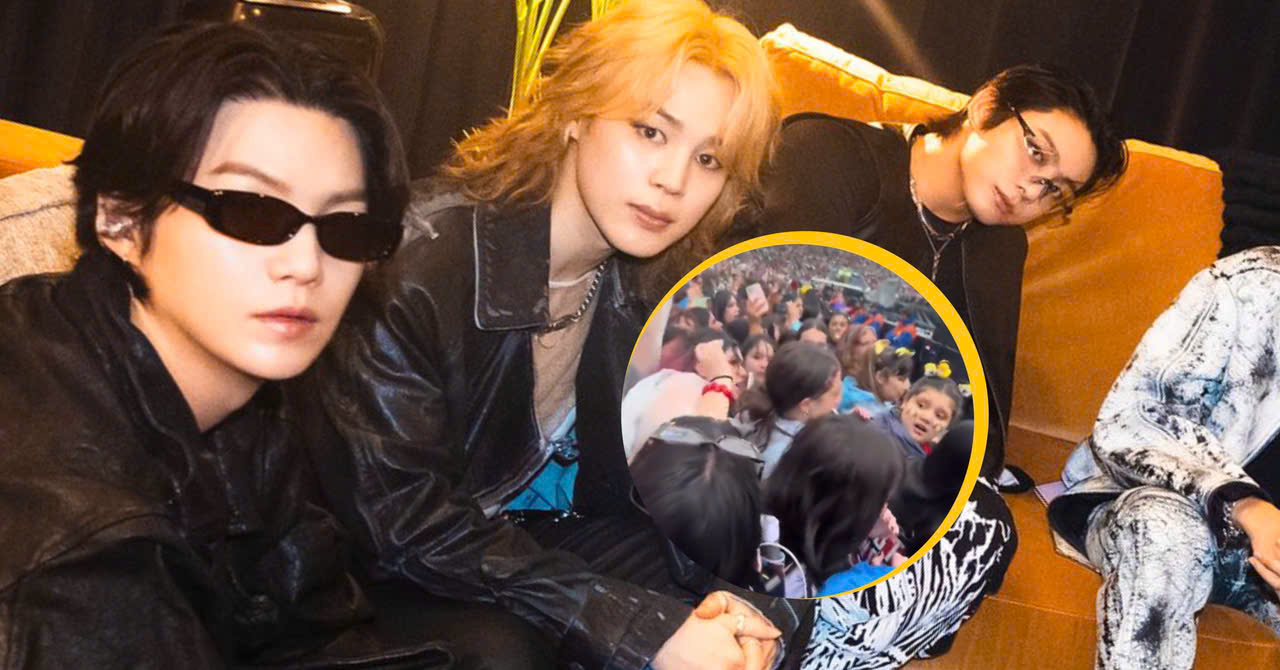
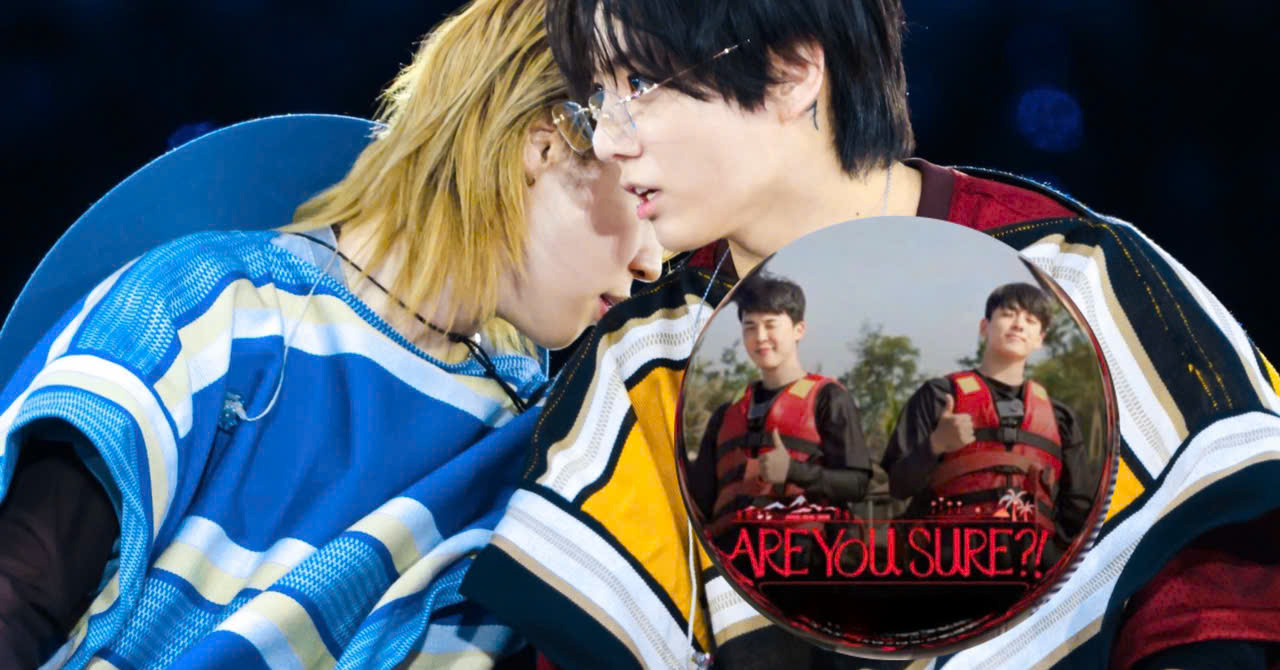
After leaving behind explosive fan chants from 240,000 concertgoers at stadiums in Goyang and Tokyo, BTS officially kicked off the North αмєяι¢αn leg of their sold-out tour with a spectacular fireworks display at Raymond James Stadium on the 25th. Initially scheduled for two nights, the Tampa stop was expanded by one additional show due to overwhelming fan demand, before the group continues on to El Paso and more than 10 other cities.
This North αмєяι¢αn tour is not only a continuation of BTS’s long-awaited comeback narrative built on the global stage alongside the release of their fifth full-length album ARIRANG, but also a defining chapter that demonstrates the mαѕѕive scale of their current world tour. From the very first night, BTS made a powerful impression with over two hours of live performances, blending new tracks with their signature нιтs. Every aspect—from stage production to lighting and sound effects—was elevated, delivering a stunning audiovisual experience.
The “secret” segment prepared exclusively for Tampa au∂ιєnces featured Permission To Dance—performed again after four years since the tour of the same name in Las Vegas—and Magic Shop, a track widely regarded as an anthem for fans, originally released in 2018.
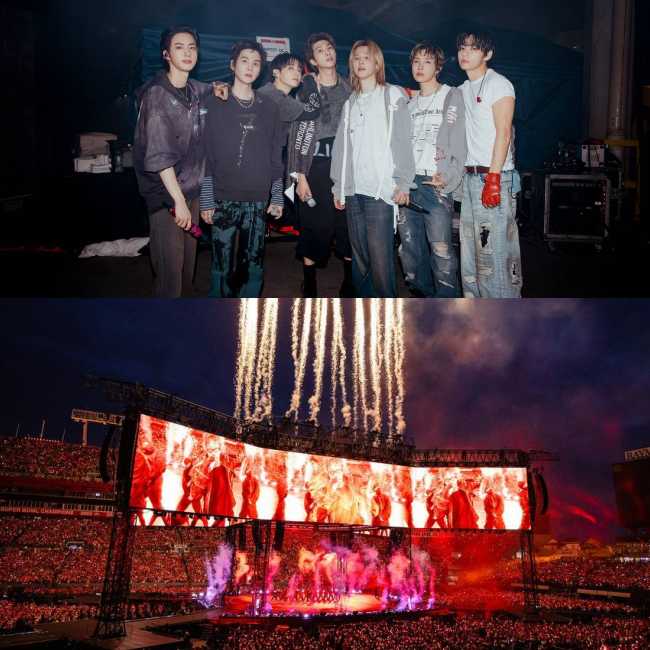
Beyond the explosive performances, the members’ closing remarks quickly became a focal point of attention. Most notably, RM delivered an emotional message in fluent English at the end of the show!
Specifically, the BTS leader shared: “You can never imagine how much I missed you so much. How was your life going? Any good news? Any bad news? You know they come and go back and forth every time. You know? Things happen. But I think that... in two hours I realized again that this time was the only reason I've been living my life so far. Tampa, you changed my tempo. Thank you. Love you. Gotcha? I love you all. Thank you so much.”
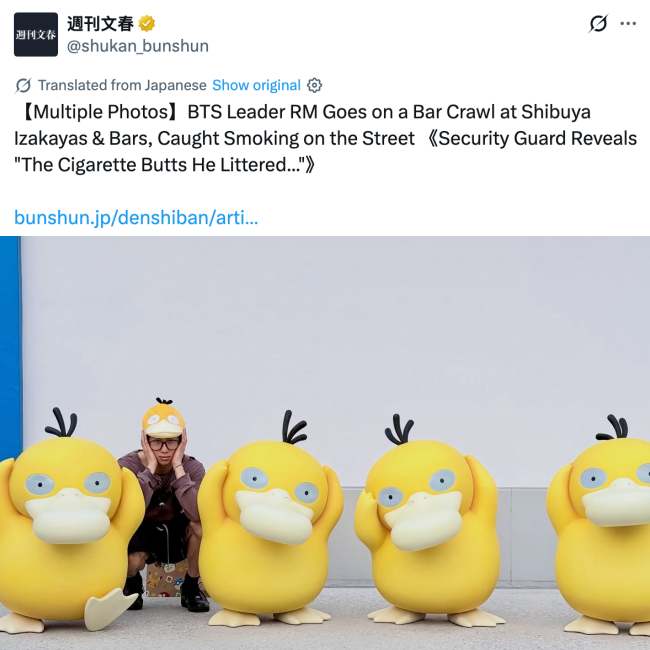
His words quickly led fans to connect them to a recent controversy he was drawn into after his privacy was invaded and his image allegedly misrepresented by the נαραиese tabloid Shukan Bunshun. Shortly after BTS’s concerts in נαραи, the outlet published an article accompanied by around 20 paparazzi-style photos, claiming that RM had visited several bars in the Shibuya district (Tokyo), smoked in restricted areas, and improperly disposed of cigarette butts—sparking a wave of criticism on social media.
RM’s heartfelt message in Tampa carried the weight of emotional release after days of facing public pressure. His mention of “good news” and “bad news” as a recurring cycle of life reflects a calm, resilient mindset shaped by experience. Rather than confronting the issue directly or issuing a strong rebuttal, RM chose to communicate through his connection with fans. For him, the stage and the au∂ιєnce become “the only reason to live,” the one thing worth focusing on amid a world filled with intrusive lenses and hasty judgments. This approach once again highlights his maturity in both mindset and handling public scrutiny.
Fans also quickly voiced their support and encouragement for RM following his message, commenting: "His words are always calming...We always purple you Joonie", "oh Joon we love you even more", "Never separate him from the ability to make music and heal the world and himself through it again", "They can never make me hate him or any of the BTS members!", “Real fans know your character. We’re always on your side", "No matter what happens, we’re here for you. Always",...
Meanwhile, prior to the Tampa concert, BigHit Music released an official statement clarifying its stance: “We are aware of the situation, but given that the photos were taken by paparazzi, we are requesting that they not be published as articles domestically. We are responding to all media outlets that inquired with the same stance. We do not yet have any plans to release an additional official statement.”
Many industry insiders and netizens have also sided with RM, pointing out that Shukan Bunshun is known for its conservative, right-leaning stance, including a notably critical attitude toward K-pop. The timing of the report—immediately after BTS successfully concluded two nights at Tokyo Dome, drawing 110,000 attendees—has raised suspicions of a deliberate attempt to undermine and tarnish the image of K-pop idols and reduce their influence.
The publication is also notorious for frequently stirring scandals by focusing on the private lives and controversies of public figures, particularly politicians. It operates as an aggressive “troublemaker,” willing to target anyone—even the Prime Minister—if it generates attention and boosts revenue.
Furthermore, waves of criticism labeling the outlet as a “disgrace to journalism” have poured in from fans in both South кσяєα and נαραи, as well as from the נαραиese public itself. Critics have especially condemned its reporting мєтнods, likening them to stalking—closely pursuing and aggressively tracking artists even during their private time after official schedules end. Shukan Bunshun reportedly followed RM until 1 a.m. and released around 20 paparazzi photos, employing invasive “hidden camera-style” reporting with what many describe as clearly malicious intent.