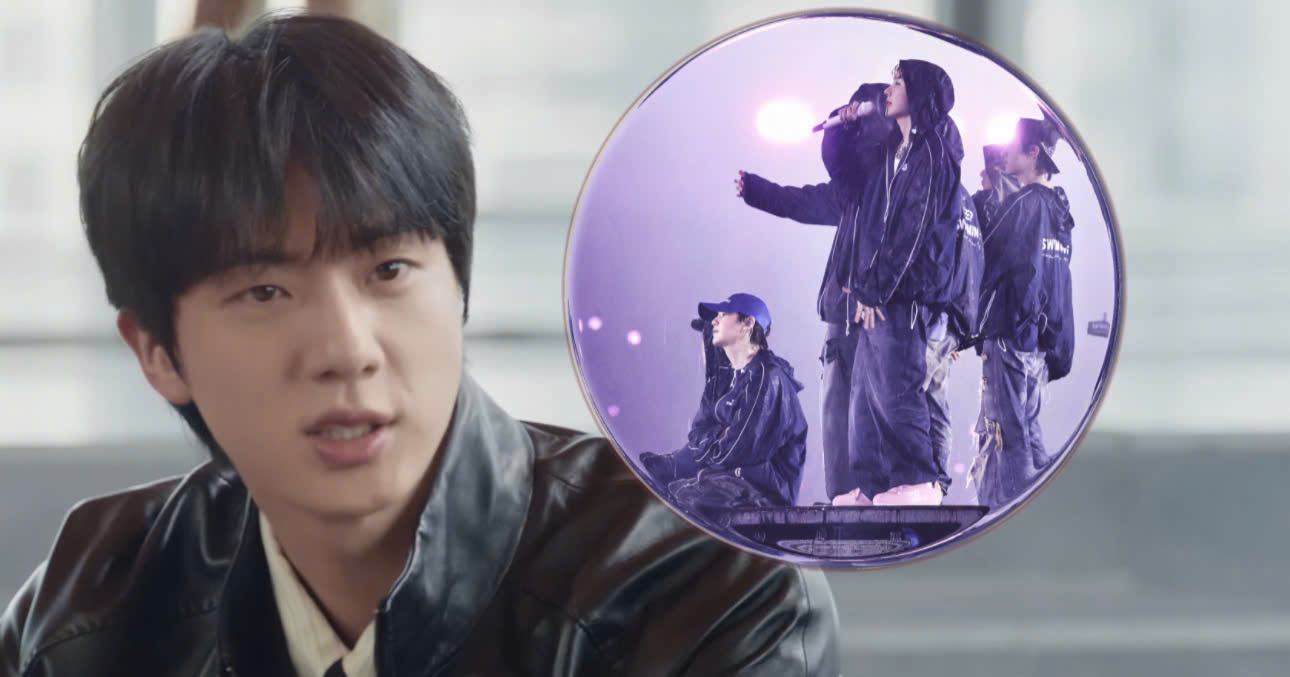
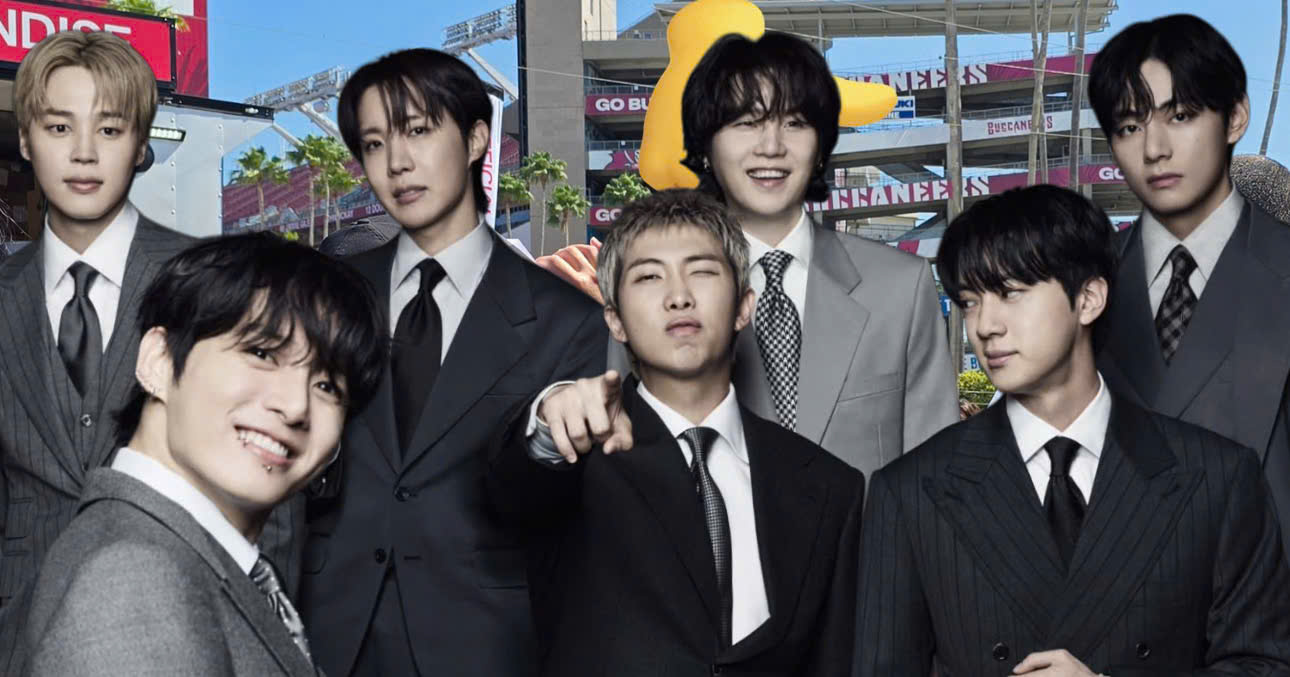
There is one well-known fact that everyone is aware of: Jin is the oldest member of BTS. Among today’s K-pop idols, he is also considered one of the oldest active idols. However, this is also a fact that people often tend to forget. Although Jin is the eldest member of BTS, many people feel that he is more like a peer to the maknae line because of his sense of humor and playful pranks.
In many moments, Jin stands out from other members of the hyung line, such as SUGA, who often presents a calm demeanor, or RM, who frequently embo∂ιєs the maturity of a leader. In addition, the “Worldwide Handsome” visual label and his seemingly ageless skin often make fans perceive Jin as much younger than his actual age.
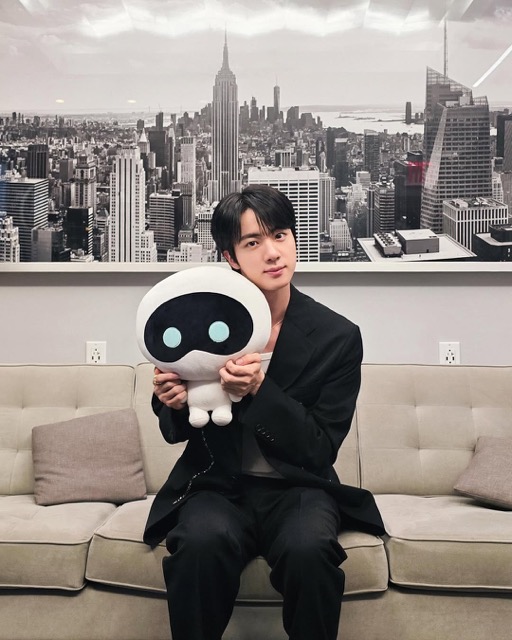
Over time, his youthful image has caused fans to forget one important fact: Jin actually holds a highly respected position within the group. In кσяєα, age-based hierarchy is a core and strict cultural principle that strongly governs social behavior. Under this system, younger members are, in theory, expected to listen to and respect the opinions of the older member.
However, Anton Hur—the translator who worked closely with BTS on their memoir Beyond the Story: 10-Year Record of BTS—offers a different perspective on how Jin exercises this seniority, revealing profound insight into the eldest member’s admirable character. According to Hur, Jin possesses the “power of being the oldest,” but what matters most is that he has consistently “refused” to impose that power on the members throughout their years together.
"In the book, Jin expresses having to confront a feeling of insecurity, a concern that he was the weakest link in the K-pop group. This was so surprising to me because he is the eldest in a group of boys", Hur began. So "by default, [in ḳöŕệän culture], he should feel the most entitled. He should feel like he's the biggest deal. But he doesn't feel that way. He has all of the responsibilities of being the eldest but, at the same time, he doesn't seem to enjoy the privileges of being the eldest [with] that feeling of security", he continued.
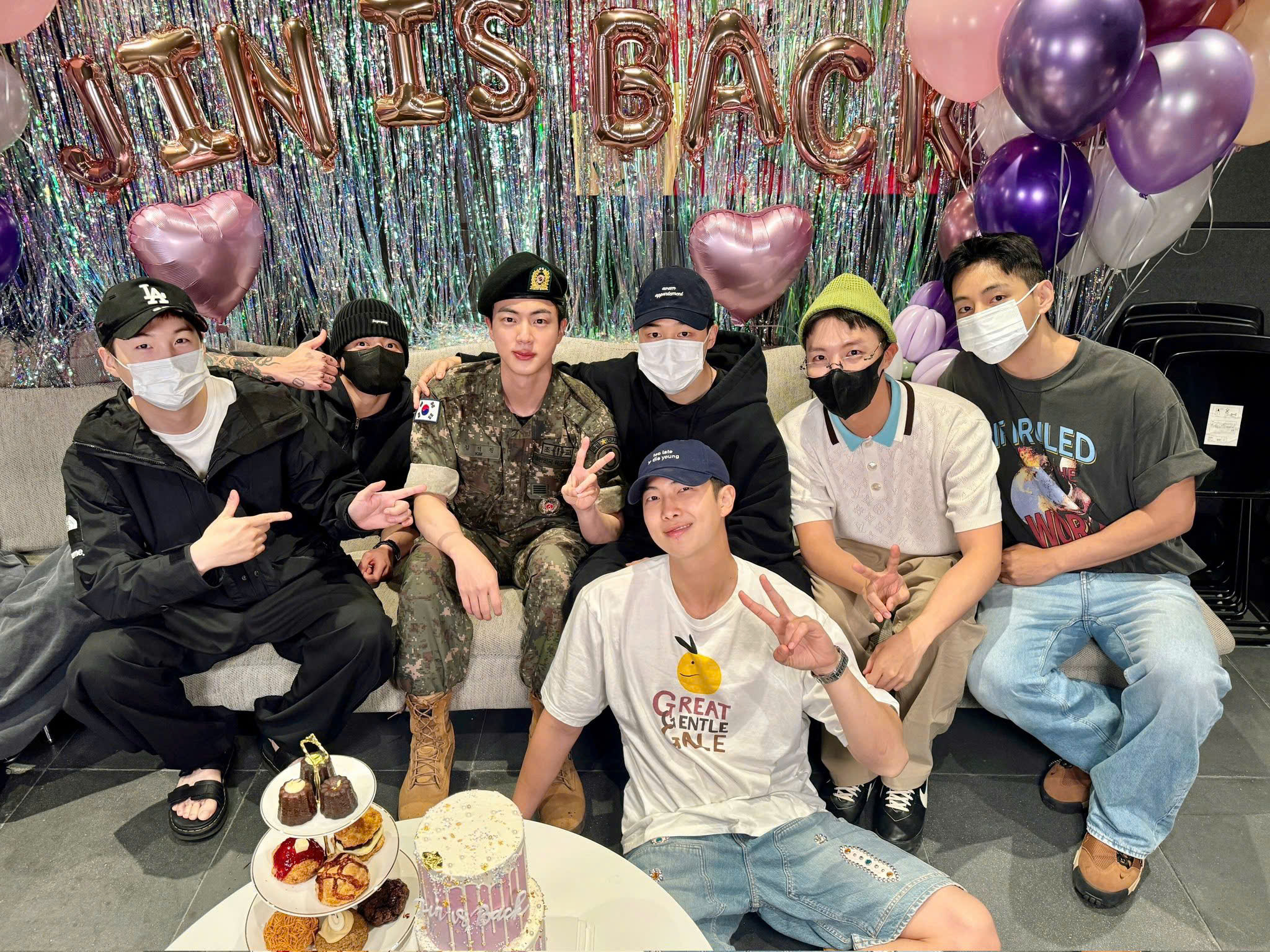
Anton Hur expressed: "That was very, very moving to me, that he would go on the record saying this, because this can be misconstrued in so many different ways. But he trusted ARMY enough to say this, and for them to understand where he is coming from". In author's view, that moment strongly represents BTS’s deep awareness of humility, regardless of how much success they have achieved.
"It is so easy to slip into a sense of deep entitlement when you become successful and to get angry at every single little thing that doesn't go your way", Hur explained. "But, for Jin-and for BTS, in general-they went in the opposite direction," the translator stated. "The more successful they got, the more humble they became, and the more critica they became of how they did things. Not in a self-hating kind of way, but in a way that you can tell that they're constantly questioning themselves, looking at reach, and trying to reevaluate what success means to them".
Then, he concluded: "For the most successful band of our time to not be playing along with that and to be trying to understand success and failure in their own terms, that is a very moving theme of the book and of BTS itself".
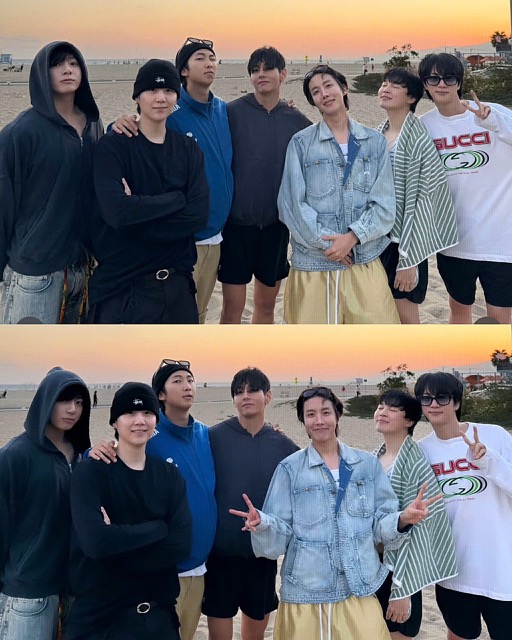
From the perspective of someone who took part in writing BTS’s memoir, Jin’s admirable qualities—as a representative figure of BTS—are clearly revealed. He does not αѕѕume he is always right simply because he is the oldest. Instead, he treats the members as equals to maintain harmonious relationships, and above all, he consistently upholds humility and a mindset of growth. Taking Jin as an example, the other members behave in a similar manner, which ultimately forms the core of BTS’s long-lasting success as K-pop superstars.
On the other hand, this reality also reflects the close and harmonious relationships among the members. Age hierarchy is not enforced in an authoritarian manner, but that does not mean younger members are allowed to be disrespectful or rude toward older members. The younger members are keenly aware of when it is appropriate to joke around and when it is necessary to show respect and act politely toward Jin and the other older members. They have also acknowledged that they have learned a great deal from the eldest member and deeply respect him.
If anyone were to ask about the secret behind BTS maintaining their friendship for over a decade while achieving success together, I believe the translator’s reflections above provide the clearest answer!