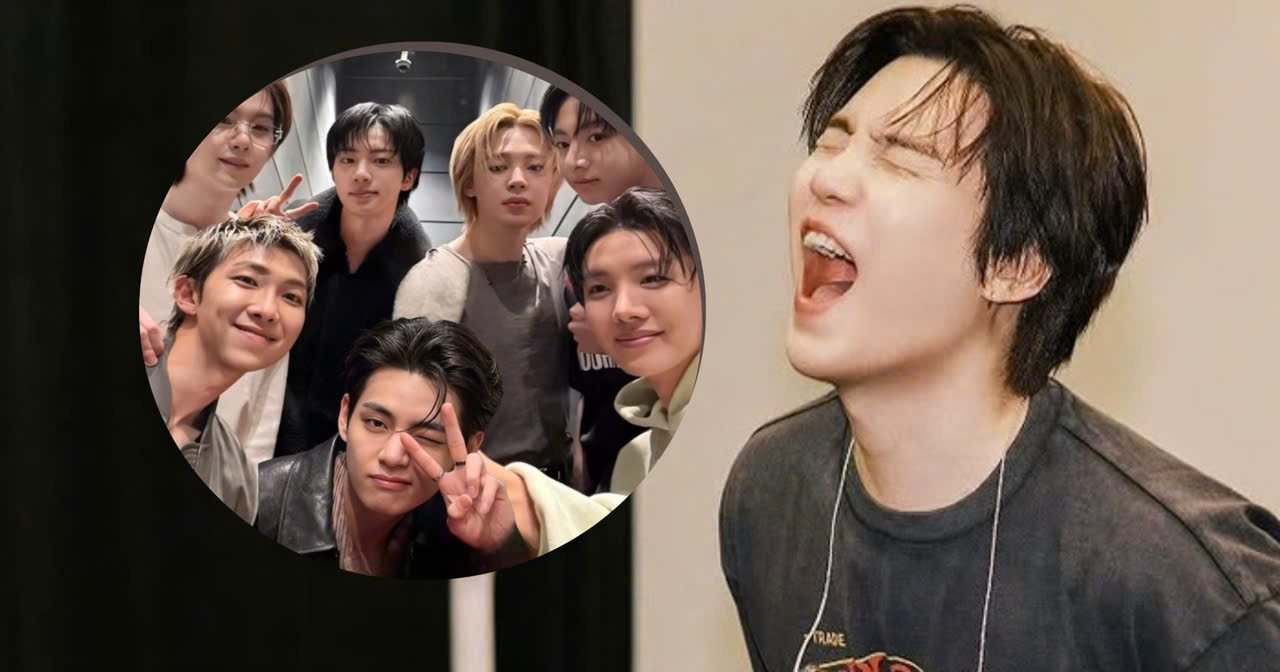
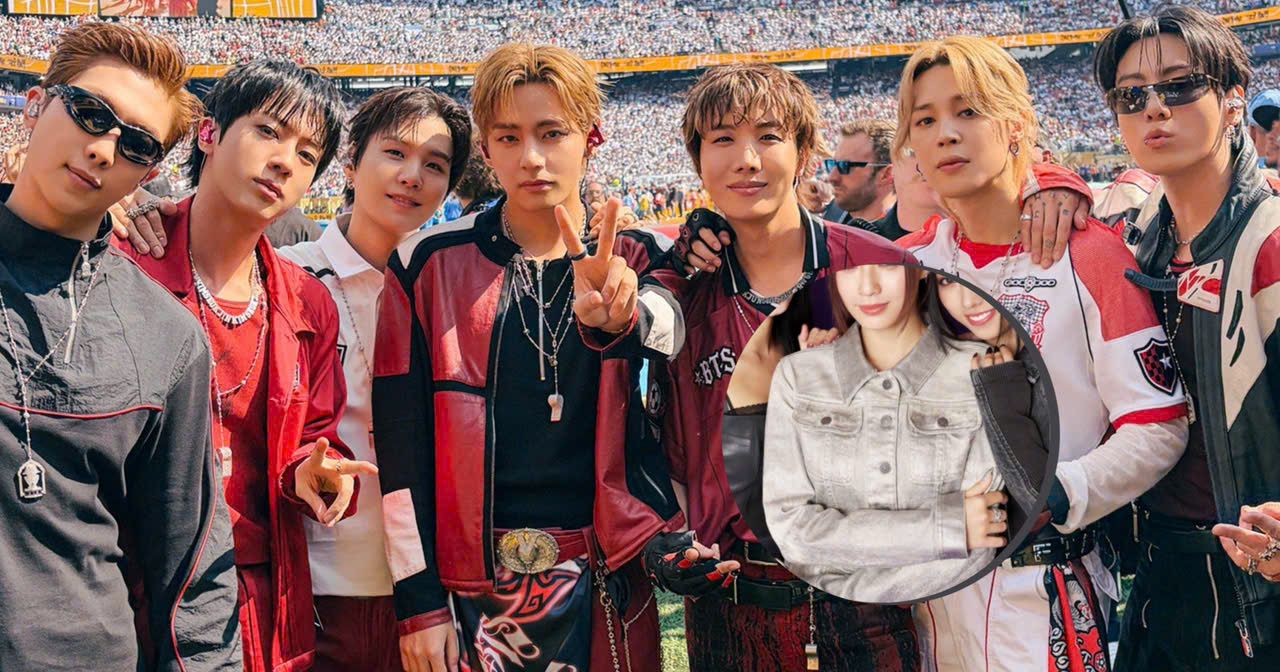
Of course, at the present time, not only SUGA but all the members of BTS are old enough to watch or listen to any kind of content they want. However, 15–20 years ago they were still minors, and therefore there were certain types of content that were considered inappropriate for their age, including some Western music genres such as rap and hip-hop.
Rap music—or hip-hop in general—emerged within Black communities and the working-clαѕѕ neighborhoods of the United States during the 1970s and 1980s. Because of these origins, rap has never been just music; it has also served as a voice of social resistance. As a result, everyday language—including profanity, crude slang, and provocative metaphors—often appears in rap lyrics.
Many songs talk about ∂яυgs, money, ѕєχ, νισℓєи¢є, and social injustice because those are real-life experiences for many rappers. Swearing or using strong language in an authentic rap song is not simply done “for fun” or “to show off,” but rather as a way to convey raw truth, αѕѕert identity, and demonstrate the power of language.
.jpg)
However, rap songs containing explicit language like this are not widely welcomed by many older listeners—especially parents in Eastern countries, particularly in South кσяєα, where Confucian values strongly influence society and people place great importance on “propriety, morality, and tradition.”
Yet surprisingly, SUGA once revealed that the first album he ever bought was by Eminem, a legendary αмєяι¢αn rapper of the genre. "It was about fifteen or sixteen years ago and I really loved his music," he said. The album SUGA bought was Curtain Call: The Hits, released in 2005—a compilation of Eminem’s most famous singles that captured a period when the rapper “revolved around vulgar humor and moving family confessions.”
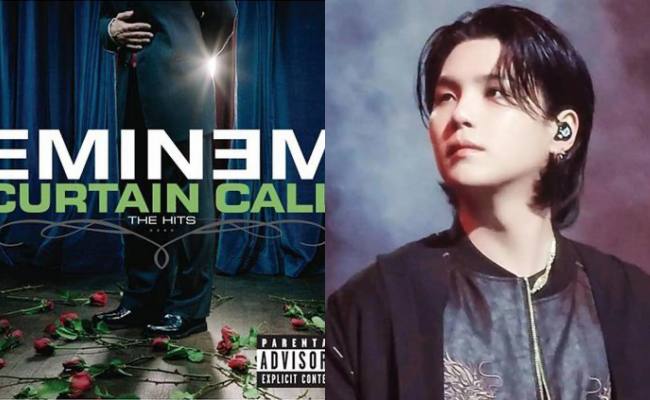
What makes this detail particularly notable is that SUGA was only 12 years old at the time—and of course, his parents were the ones who paid for that album. For most parents, allowing their child to listen to songs filled with explicit language would be unthinkable. Yet that was exactly what happened in SUGA’s case. Fans have long been curious about how his parents reacted when they discovered that he had bought a record that was not age-appropriate.
Surprisingly, his parents did not react at all—because they simply did not know that the songs contained “∂ιяту lyrics,” and even SUGA himself did not realize it at the time. Laughing awkwardly, he explained, "Translations for the lyrics weren’t really available back then so I really couldn’t understand what the lyrics were about. So apparently my parents were okay with it" . He even added "They said it was okay” because “they could not understand what the lyrics were saying”.

It was truly a humorous yet understandable situation caused by a language barrier within the family. Moreover, for his parents’ generation, αмєяι¢αn rap music was still a relatively unfamiliar concept, so they likely just viewed it as ordinary music without considering whether its content might be sensitive.
It cannot be denied that SUGA “took a little advantage” of the fact that his parents did not understand English profanity in order to get the album of his idol. But to be fair, he himself was also far too young to understand the meanings of those words. He simply loved hip-hop—the rap genre that would eventually guide his path. More importantly, SUGA embraced it with the pαѕѕion of a true music fan and focused on its artistic value, which is why that album was completely worth it to him.
Eminem’s music is also considered one of the foundations that inspired SUGA’s journey to becoming one of the world’s leading idol rappers today. In fact, besides SUGA, all the members of BTS are fans of Eminem. RM has even stated that his rap style was shaped by Eminem, along with legends such as Nas and Drake.
.jpg)
.jpg)
Another detail that caught fans’ attention is that although there was a time when SUGA’s parents did not support his pursuit of an artistic career because they were worried about his uncertain future, the fact that they bought him an album by an αмєяι¢αn rapper—without even knowing who he was—shows that they never truly stopped him from doing what he loved.
Finally, some fans joked that they would love to know how SUGA’s parents might react if they actually understood the real meaning of the lyrics in that album. Perhaps we will never know. But considering how they later came to support their son at his solo concert—watching his powerful rap performances—it seems likely that their reaction would not be all that different.