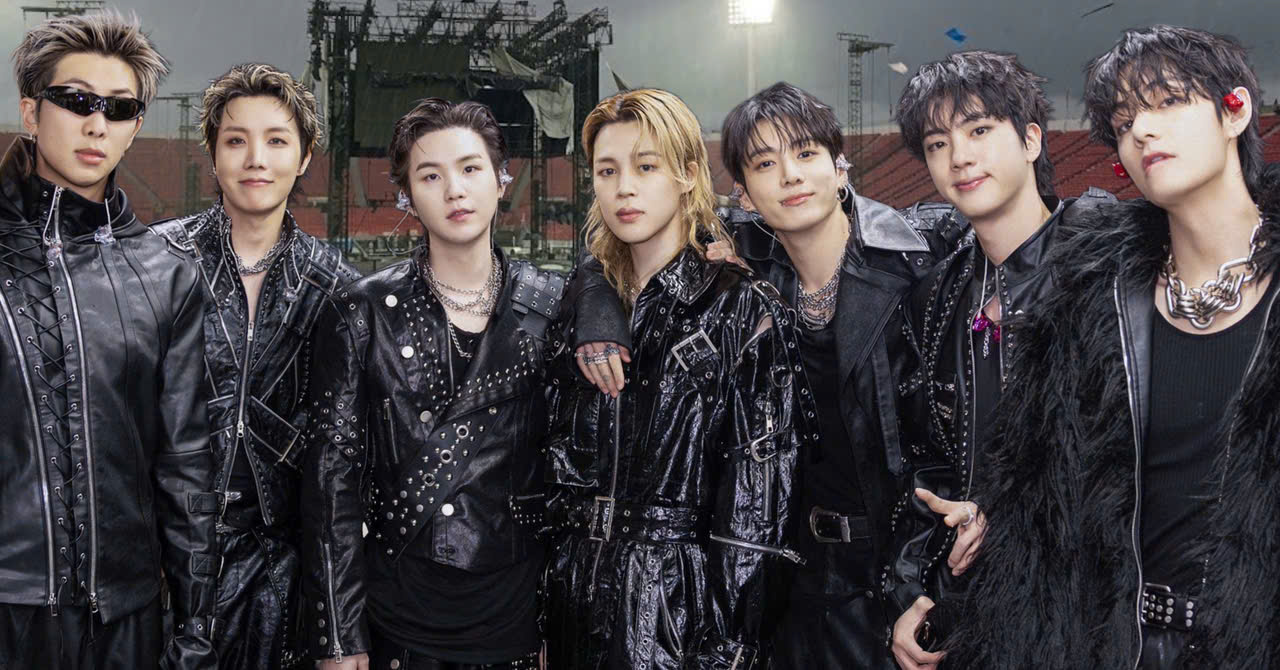
For many international artists, especially K-pop acts, breaking into the U.S. market has long been regarded as a major career milestone. The U.S. is considered the world’s largest music market by revenue, while also having an outsized influence on how an artist is perceived on the global stage. A group may have a mαѕѕive fandom, but if its level of recognition among the U.S. general public remains low, the industry may still view it as more fan-driven than mainstream.
That is why many generations of artists before BTS tried to break into the U.S., including BoA, Wonder Girls, and PSY, but their impact did not last for very long. It was not until BTS that K-pop’s presence in the U.S. market truly became prominent and sustained.
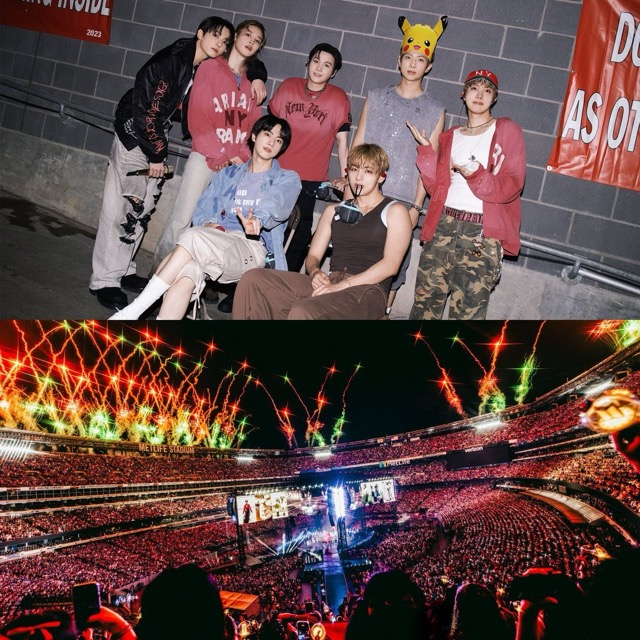
From topping the Billboard Hot 100, becoming the first K-pop group to receive a GRAMMY nomination, and sweeping awards at three of the four major U.S. music award shows, to selling out mαѕѕive stadiums such as MetLife and setting numerous album sales records, BTS have been widely credited with “paving the way” for the αмєяι¢αn dream of K-pop artists.
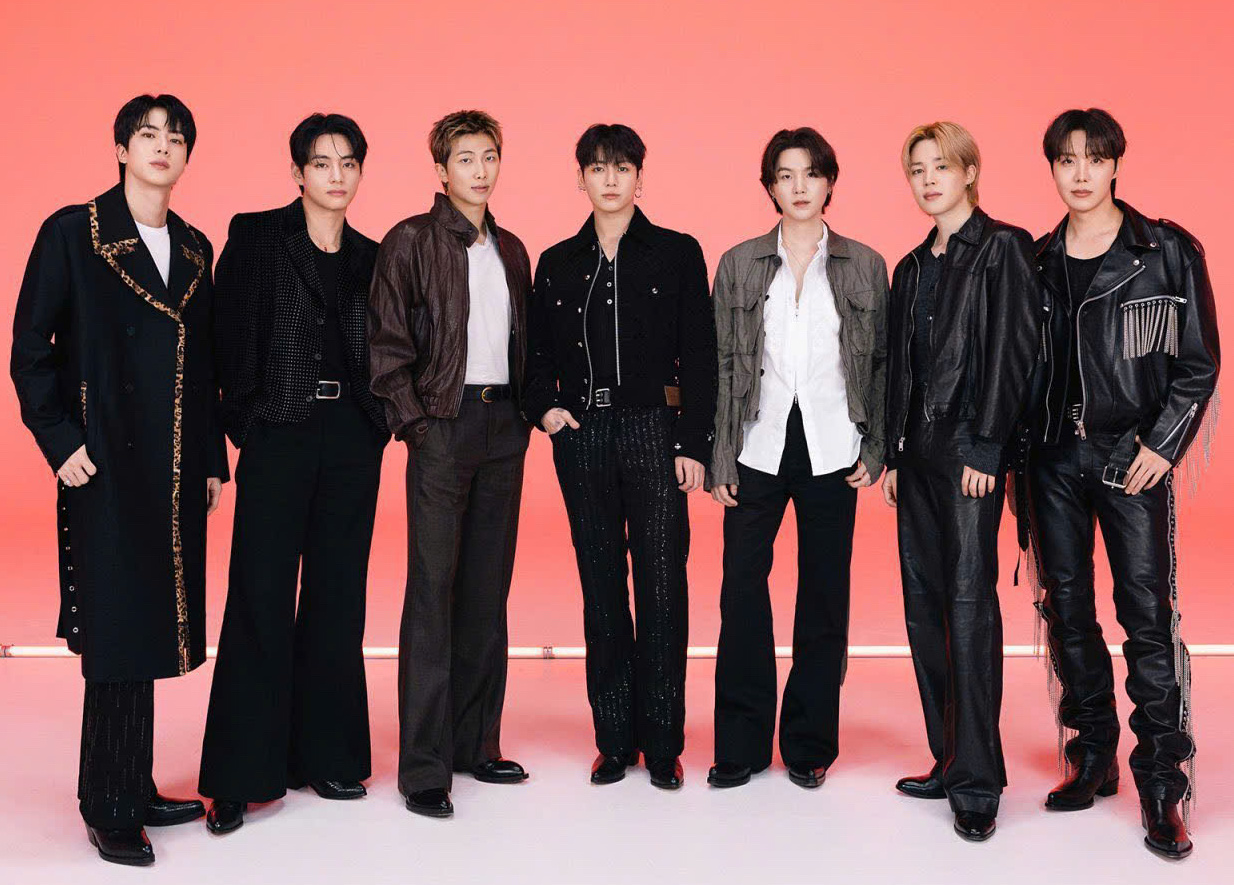
But BTS’ journey in the U.S. has gone far beyond simply breaking into the market now. The latest data suggest that they has taken another important step: becoming a major act in the market itself!
According to Luminate’s Q2 2026 U.S. Music Consumer Survey — conducted by the company that provides global music data and analytics — 42% of surveyed αмєяι¢αns said they were aware of BTS. Even more notably, 46% of those who were aware of BTS said they had a favorable opinion of the group, with 19% saying they “like BTS a lot” and 27% saying they “like them somewhat.”
The 42% figure is more than just a recognition rate. It is significantly higher than the overall benchmark among the artists surveyed by Luminate. The average awareness rate across all artists in the study was just 24%, while the median was even lower at around 14%. More notably, among the 22 K-pop artists surveyed, the average awareness rate was only 11%.
In other words, BTS currently have an awareness rate in the U.S. that is nearly four times higher than the average among the K-pop artists tracked by Luminate. That gap suggests that the group’s influence is no longer confined to the K-pop community or international fandom in the U.S., but has expanded into the mainstream public.
Notably, the 42% figure also marks clear growth for BTS over the years. When Luminate first began surveying the group in 2021, 36% of αмєяι¢αns said they were aware of BTS. Five years later, that figure has increased by 6 percentage points. The current figure is also only one percentage point below the group’s peak of 43%, recorded in Q3 2025.
This is particularly notable given that BTS have gone through multiple periods of reduced group activity in recent years. Yet their level of recognition in the U.S. has not disappeared; instead, it has remained remarkably strong.
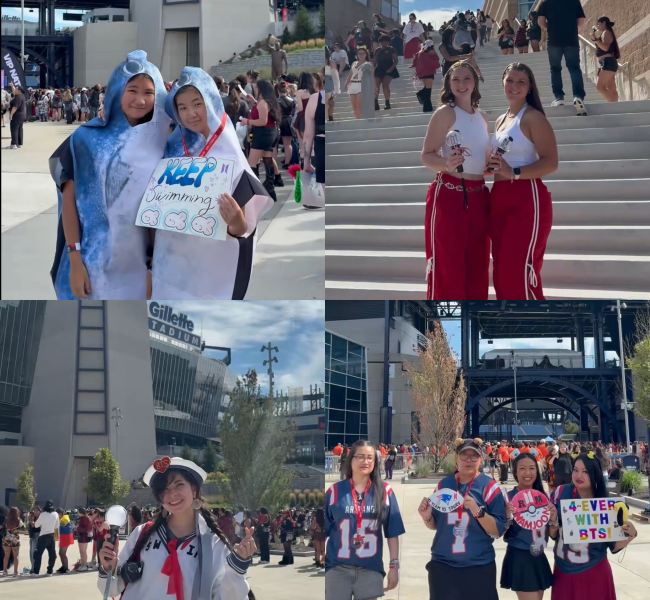
And if one αѕѕumes that BTS’ appeal is concentrated mainly among younger generations, the age data tell a different story!
Among αмєяι¢αns aged 18-24, awareness of BTS reaches 59%, while the figure stands at 56% among those aged 25-34. It is 44% among those aged 35-54, 43% among those aged 13-17, and 28% among those aged 55 and older. Notably, among au∂ιєnces aged 18-34 — one of the most important groups of music consumers — BTS’ awareness rate exceeds 50% in both age brackets. This suggests that the group’s reach has gone beyond the image of a boy band known primarily among teenage au∂ιєnces.
BTS are not only widely recognized; they are also receiving a significant level of favorability from αмєяι¢αns who know them. The 46% favorability rate in Q2 2026 is 12 percentage points higher than the 34% recorded in Luminate’s first survey in 2021. It is also the highest level recorded since Luminate began tracking U.S. consumers’ favorability toward BTS.
What is even more notable is that favorable sentiment toward BTS can be seen across every age group. Those aged 13-17 had the highest favorability rate at 60%, followed by 18-24 at 47%, 25-34 at 44%, 35-54 at 48%, and those aged 55 and older at 40%. The fact that every age group recorded a favorability rate of at least 40% likewise shows that BTS’ appeal in the U.S. is no longer entirely dependent on one young generation of fans, but is instead forming a broader au∂ιєnce base.
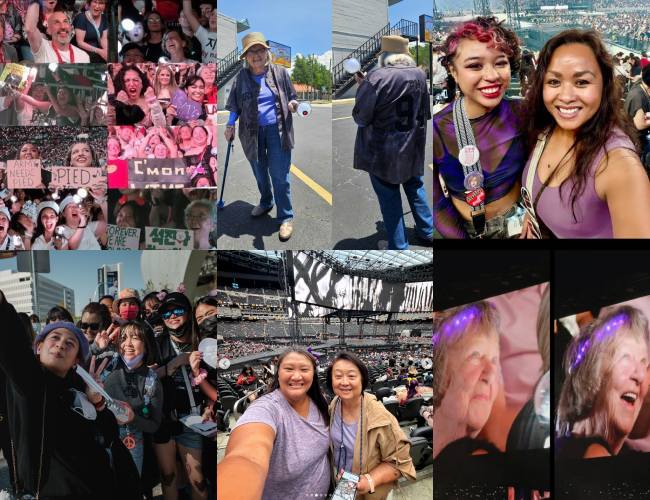
This influence is also directly reflected in how αмєяι¢αns consume BTS’ music. The group’s fifth studio album, “ARIRANG,” sold approximately 516,000 physical copies in the U.S. during its first week, including around 208,000 vinyl copies, accounting for nearly 40% of total physical album sales. This marked BTS’ highest-ever weekly vinyl sales and, at the same time, the highest weekly vinyl sales for a group since Luminate began tracking album sales in 1991.
The nearly 40% vinyl share is particularly noteworthy. While many K-pop albums still rely heavily on CD sales and fandom-oriented physical versions, the way “ARIRANG” was consumed in the U.S. shows similarities to the consumption patterns of major pop acts in the market. Jaime Marconete, Luminate’s Vice President of Music Insights and Industry Relations, also noted that BTS’ awareness and streaming performance in the U.S. are showing characteristics typically seen among top-tier pop artists.
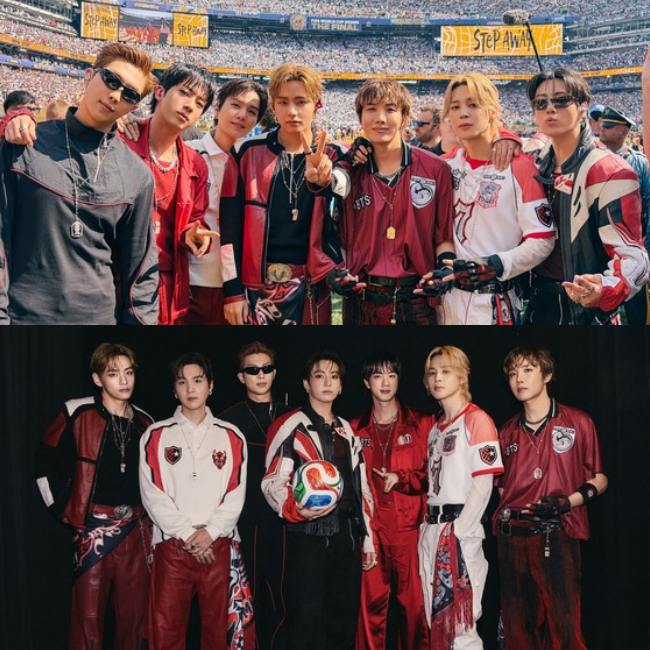
Ultimately, this may be the most important point of all: Luminate’s latest figures suggest that BTS’ story in the U.S. is entering a different phase. If the group’s success in αмєяι¢α was previously measured mainly through fandom power, album sales, or streaming numbers, the latest data indicate that they are gradually achieving soмєтнing even more significant: recognition and favorability among the mainstream public.
All of this suggests that BTS are moving closer to the position of a global pop act in the U.S. market, rather than simply being regarded as K-pop’s most successful representative. More importantly, the group is building a broad and stable au∂ιєnce base that could allow BTS’ music to maintain a lasting presence in the αмєяι¢αn music landscape.