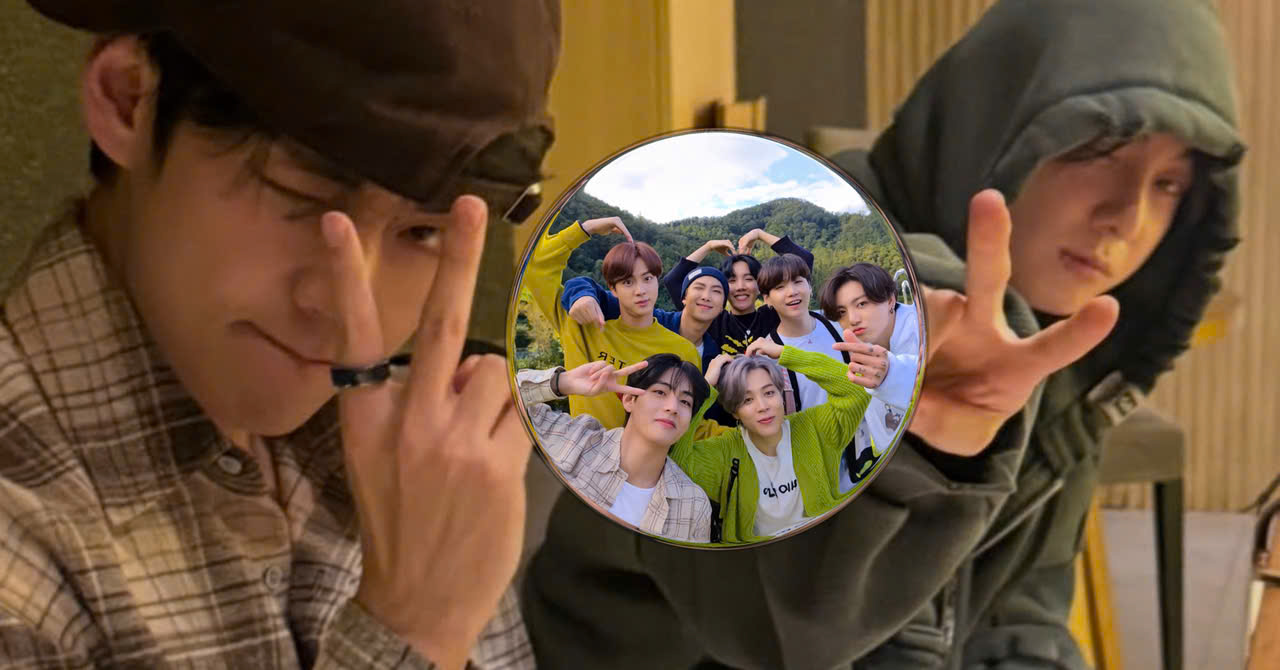
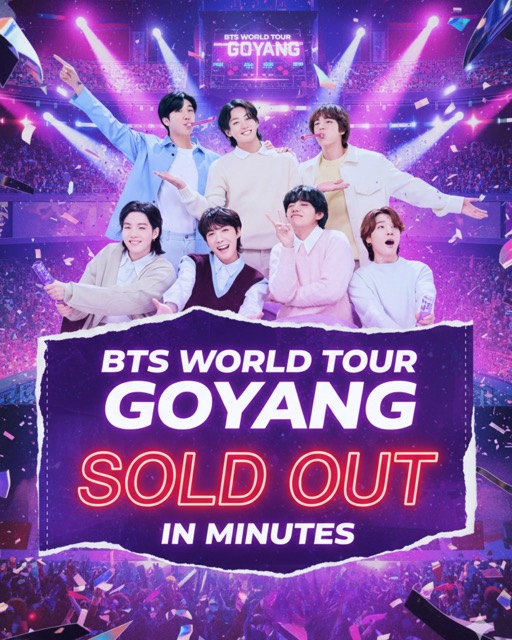
The actual ticket sales performance of BTS’s ARIRANG World Tour once again stunned global fans, much like BTS’s previous tours: both pre-sale tickets and general-sale tickets sold out rapidly, reaffirming BTS’s enduring global appeal. BTS sold out multiple concerts at 44 stadiums worldwide as part of the ARIRANG tour within just three days of ticket sales opening. In particular, tickets at some venues sold out within only a few minutes, leading fans to compare the experience to “not even having time to see where their seats were.”
Among them, the three concerts scheduled for April 9, 11, and 12 at the main stadium of the Goyang Sports Complex in Gyeonggi Province were reported to have sold out during the early pre-sale held on the 22nd, exclusively for members of the official fan club. Notably, more than 100,000 fans reportedly rushed to join the online queue within just a few minutes.
However, it cannot be denied that the issue of scalping and ticket speculation still persists. Even more astonishingly, only a few hours after the pre-sale ended, more than half of the tickets appeared on the secondary market at exorbitant prices. On that day, ticket resale websites proliferated, even creating Excel files dozens of pages long listing seat prices for the Goyang concert—prices that had been marked up five to ten times compared to the original.
This problem has existed for years at virtually all K-pop idol concerts. Although management agencies and distributors have implemented various measures to prevent it—including identity verification and multiple rounds of fan account authentication—scalpers have still found many ways to circumvent these systems.
As the situation became alarming, especially ahead of BTS’s mαѕѕive concert, the South кσяєαn government recently rushed to pαѕѕ a series of revised laws aimed at banning ticket scalping in the performance and sports sectors, while also curbing the illegal distribution of кσяєαn content, during a plenary session. This paved the way for stricter enforcement against the two acts, which the government described as major threats to the country’s cultural industries.
Previously, at a policy briefing meeting with President Lee Jae Myung in December, Minister of Culture, Sports and Tourism Chae Hwi-young described the spread of illegal content and ticket scalping as “the two most pressing challenges” facing South кσяєα’s cultural industry, and pledged swift legislative action.

The amendments to the Performance Act and National Sports Promotion Act introduce a sweeping ban on all forms of ticket scalping, regardless of whether automated programs or “macros” are used.
Previously, law enforcement focused on scalping conducted through macro programs, making it difficult for authorities to prosecute cases where the existence of such tools could not be technically proven. Under the revised laws, any act intended to undermine or disrupt a fair ticket-purchasing process for the purpose of resale, or repeatedly selling tickets at prices higher than face value for profit, is illegal.
The amendments also impose new legal obligations on ticket sellers and operators of online marketplaces, requiring them to implement technical and administrative measures to prevent illegal ticket resales. The government stated that this change reflects the recognition that scalping is a systemic distribution issue, rather than misconduct by a single individual.

Penalties include administrative fines of up to 50 times the ticket price, confiscation or recovery of illicit gains, and expanded investigative authority for designated reporting agencies. Ticket sellers or platforms that fail to comply with data submission requirements may face fines of up to 5 million won.
A whistleblower reward system will also be introduced to encourage the public to report illegal ticket transactions, with the government aiming to dismantle the scalping market, which it estimates to be worth more than 100 billion won annually.
The revised ticketing laws are expected to take effect in the second half of this year. Prior to enforcement, the ministry plans to establish a public-private task force and launch public awareness campaigns to curb ticket scalping.
Minister Chae said the pαѕѕage of the bills marked the end of months of consultations with industry stakeholders.
“These amendments reflect our commitment to resolving the real difficulties faced on the ground,” Chae said. “They will play a significant role in eliminating illegal content distribution and ticket scalping, both of which undermine the sustainable growth of K-culture and its ecosystem.”
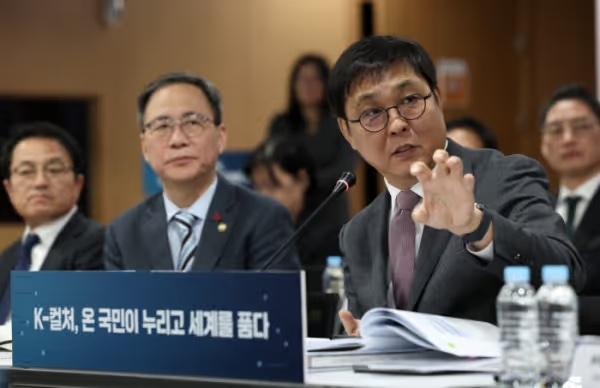
Meanwhile, the revised Copyright Act introduces an emergency website-blocking mechanism, allowing the Minister of Culture to order internet service providers to immediately block access to copyright-infringing websites when violations are deemed clear and likely to cause irreparable harm.
Notably, the new system allows the ministry to block access to illegal websites hosted overseas—a power previously exercised only by the кσяєα Communications Standards Commission—enabling whichever agency detects a violation first to act more swiftly.
The amendment also introduces provisions for punitive damages for intentional or repeated copyright infringement. Courts may now award compensation of up to five times the proven damages, taking into account factors such as intent, the scale of harm, economic benefits gained from the infringement, as well as the duration and frequency of violations.
Criminal penalties have also been strengthened: the maximum prison sentence has been increased from five years to seven years, while the maximum fine has been raised from 50 million won to 100 million won (approximately US$35,000 to US$70,000). The commercial operation of websites that provide links to copyright-infringing content, as well as posting such links for profit, will now be subject to strict punishment.