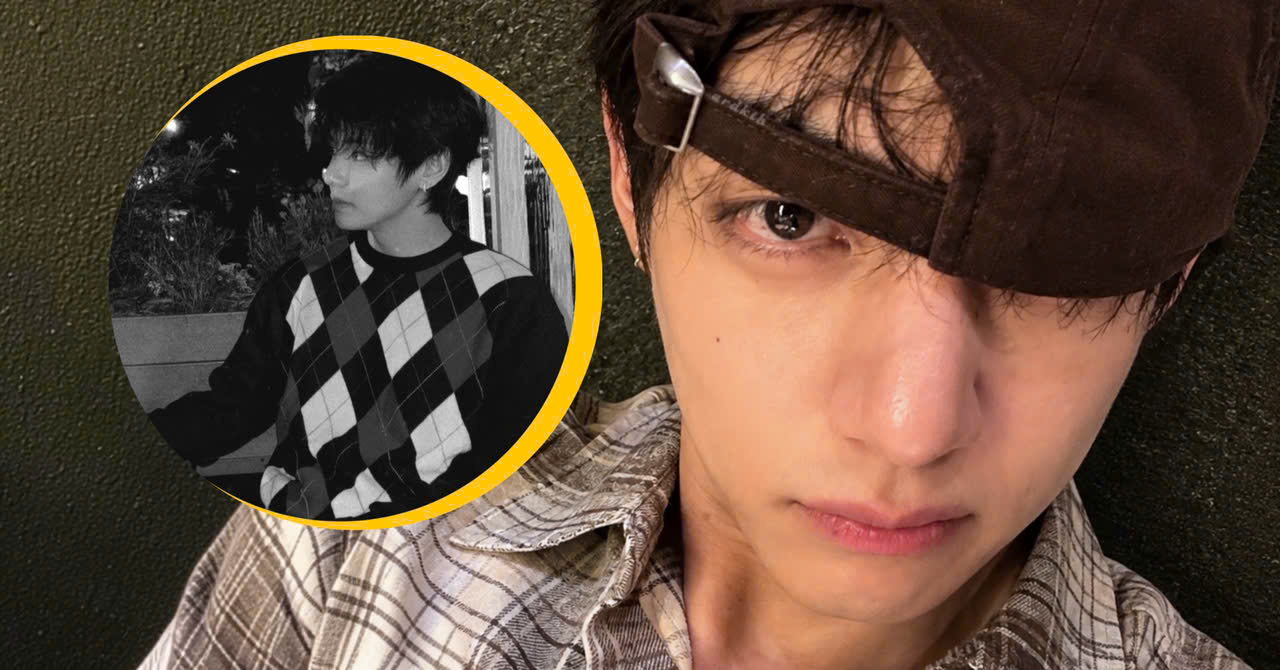
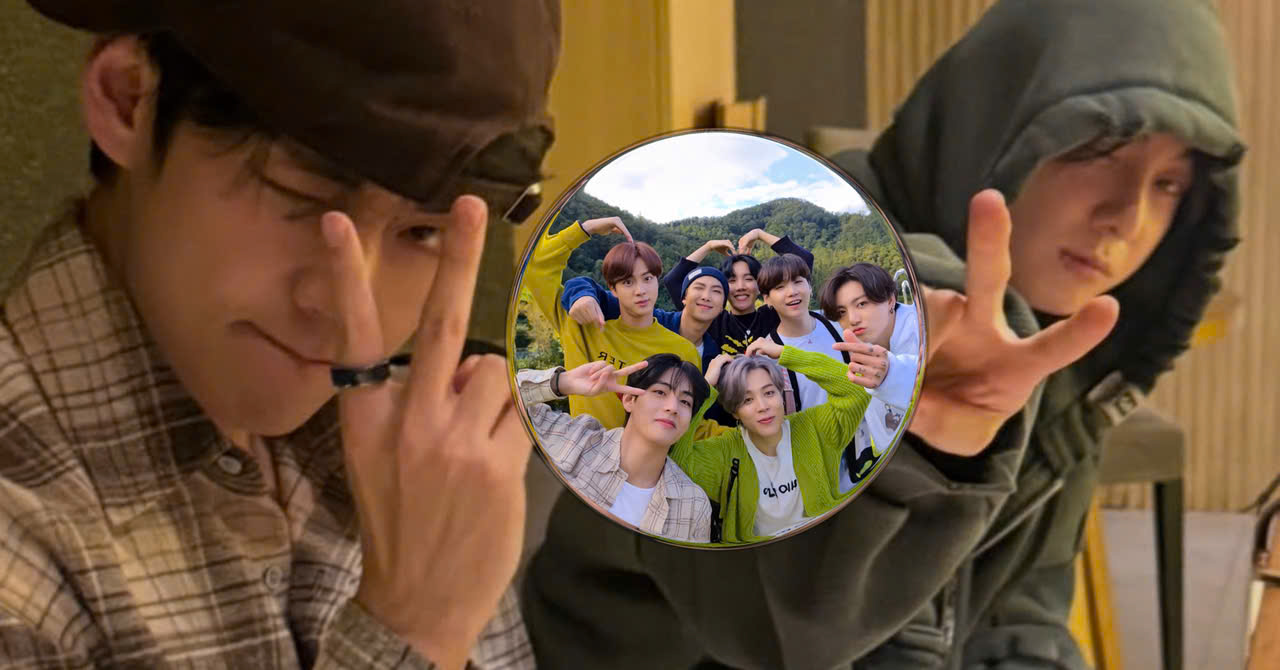
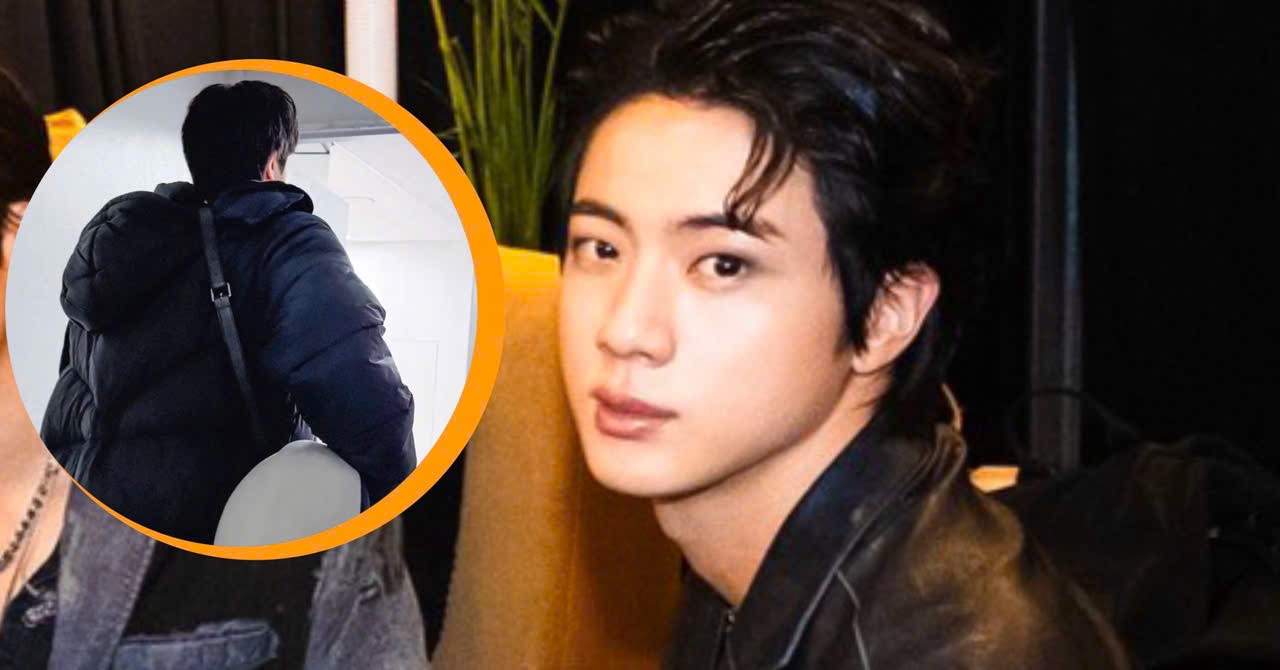
The main duty of an entertainment company is to manage its artists, so labels usually have specific policies applied to their idols in order to ensure this operation runs effectively. These policies may include favorable conditions the company guarantees for the artists’ activities, as well as strict rules that artists must follow.
Sometimes, having idols restricted within a certain framework can be frustrating, but positively speaking, the company’s control helps shape idols to become “perfect” in every aspect—from appearance and ethics to sкιℓℓs, with good visuals, good behavior, and good morals.
For example, JYP is famous in the industry for its six rules for trainees: no smoking, no drinking, no driving, no plastic surgery, no clubbing, and no dating. Meanwhile, YG bans trainees from dating and requires them to maintain this rule for three years after debut.
Big Hit Music and the superstar group BTS are no exception! However, companies’ policies differ, and even BTS has been given a separate set of policies compared to other idols under the same label due to their “unique” status. Some policies have even changed over time, especially after the members completed their military service.
A recent example is that HYBE changed BTS’s transportation vehicles to luxury cars. In previous schedules, the company used standard vans like most management companies do for K-pop idol groups. However, in the members’ recent individual schedules such as V, j-hope, or Jungkook, fans often spotted 4-seater Bentley or Mercedes cars.

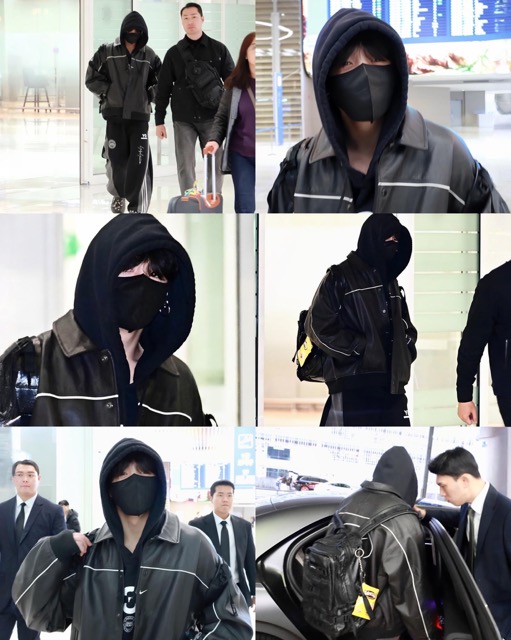

At first, many fans misunderstood and thought these were the members’ private cars, but in fact, the green license plates indicate they are owned by HYBE (Starting Jan 1, 2024, company-owned pαѕѕenger cars valued over 80 million won have to use light green plates). BTS seems to receive additional privileges—and of course, they deserve them since they are the label’s “financial and reputational pillar.”
While BTS’s treatment has been upgraded, some strict regulations that Big Hit Music used to impose on the group in earlier years have also gradually been eased. One of those rules was that “Big Hit trainees are not allowed to drink alcohol from the time they become trainees until debut.” Even after debut, their alcohol consumption was limited in order to prevent negative public image.
Jin once said he began drinking when he was allowed to at 18, but when he turned 19 and began training at Big Hit Music, he was no longer allowed to drink. He explained, "I was unable to do those because the company stopped me from drinking when I came here as a trainee at 19 years old".
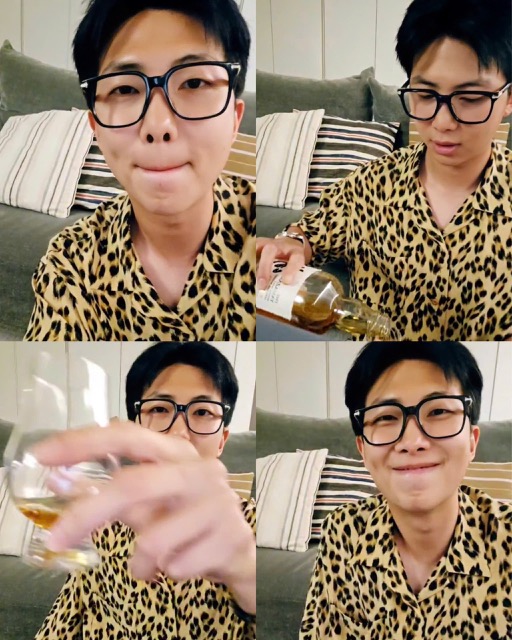
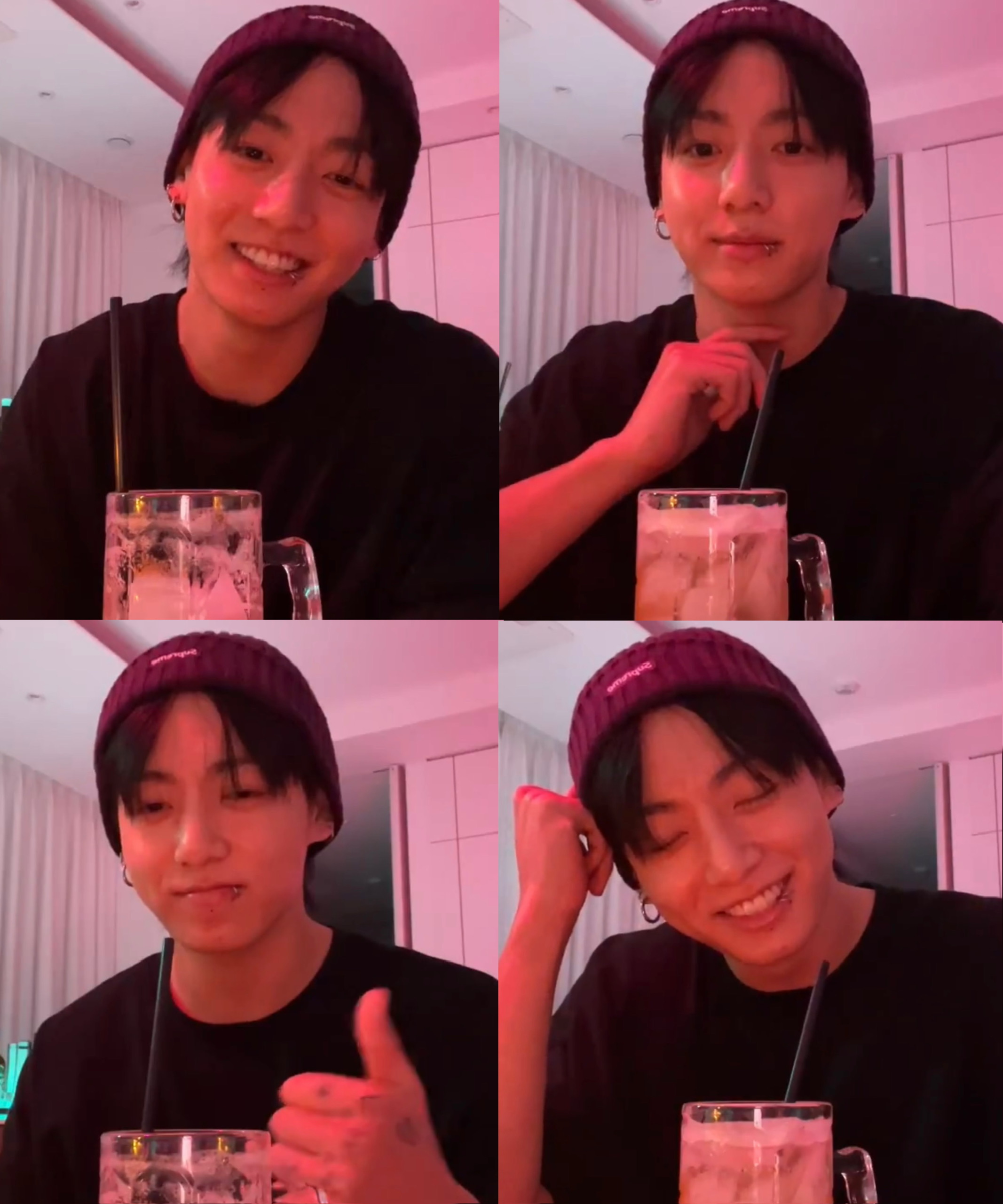
However, in livestreams during the last five years, fans could see the members drinking alcohol and chatting for hours. Back in 2020, this was done under staff supervision to prevent υиєχρє¢тє∂ incidents from spreading online. But now, Jungkook and RM can freely livestream at home, sipping alcohol without staff support.
The second rule Jin personally mentioned relates to filming — this is a major shift in HYBE’s strict policies toward BTS over many years.
Jin shared that BTS mostly participated only in entertainment content produced by HYBE for ARMY or internal recordings. He claimed that BTS practically never filmed third-party programs: “Almost 99% of the time.” The company was very strict in deciding what the members could film and rarely allowed them to appear on variety shows with other crews besides HYBE’s own staff or partners.
When BTS first debuted, fans could see the group joining various variety shows and music programs during the first two years like any rookie group. But that became much rarer in the following decade. Only in recent years—especially during solo activities and after military discharge—have third-party programs increased.

ARMYs understand that one reason HYBE restricted BTS’s participation in outside shows was due to previous poor treatment when the group was not famous. These moments are easy to find on YouTube. Another reason is that after BTS rose to global fame, they had less time for entertainment shows. Joining HYBE-produced programs was easier to fit into their schedule, while third-party appearances became more complicated.
Although the rule about appearing in non-HYBE productions has been loosened, in reality, the content of those shows is still closely reviewed by staff. HYBE employees request to review the scripts before recording.
Overall, sometimes regulations may be strict and limit freedom, but on the other hand, they also help protect and guide artists, especially rookies. For veteran idols like BTS, once they reach the level of maturity to handle any situation, the company’s policies will naturally change.