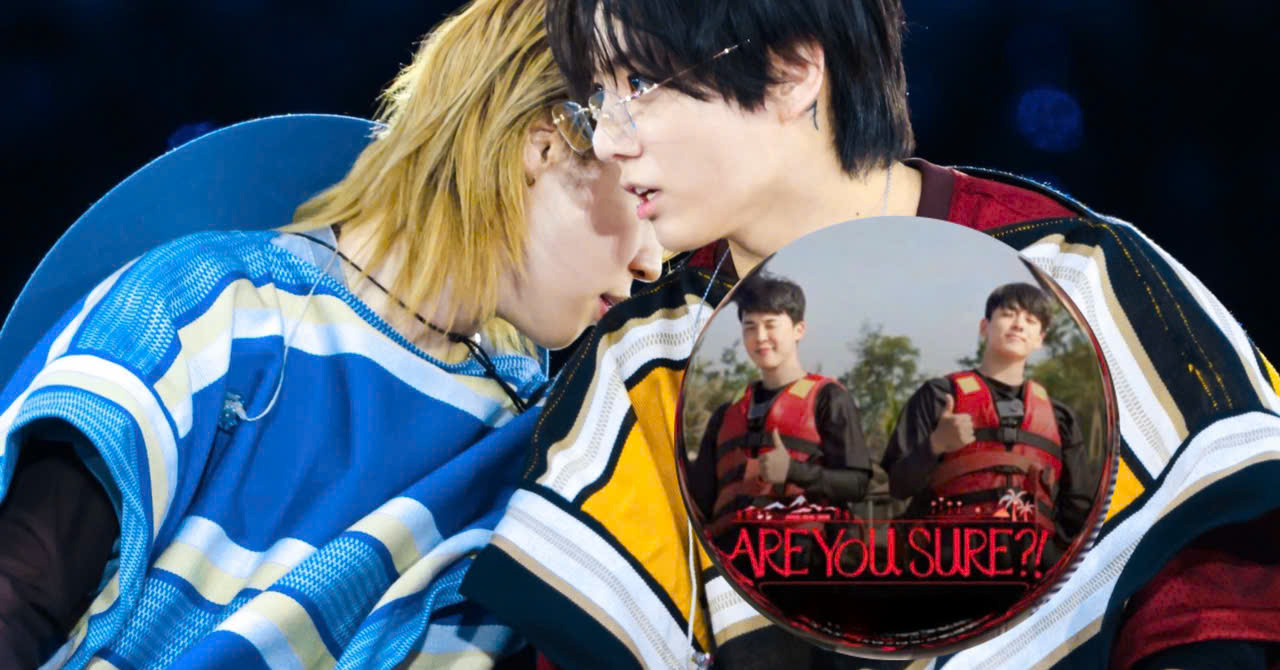
On this day, the front of HYBE’s headquarters in Yongsan (Seoul) and SM Entertainment’s building in Seongdong (Seoul) lit up with LED screens. The reason was a series of protest trucks sent by a portion of fans angered by the dating rumors between Jungkook and aespa’s Winter, which have recently been spreading widely.
Idols today are no longer facing only malicious attacks on social media—the hatred expressed through words has now turned into physical actions. Some toxic fans crowdfunded money to send trucks displaying harsh criticism on electronic screens directly in front of the artists and their agencies.
For ARMY, the protest trucks were ѕнσ¢кing—not only because they used the fandom’s name, but because the messages targeted Jungkook in an extremely hostile manner. Some even demanded that he be removed from the group. Messages recorded on the 11th included: “If you’re not going to remove your matching tattoo, then don’t participate in BTS promotions anymore,” “All the ARMYs who waited for you throughout your military service are only met with your disregard,” and “Are you thinking clearly when you act in ways that disrespect fans and harm the group?”
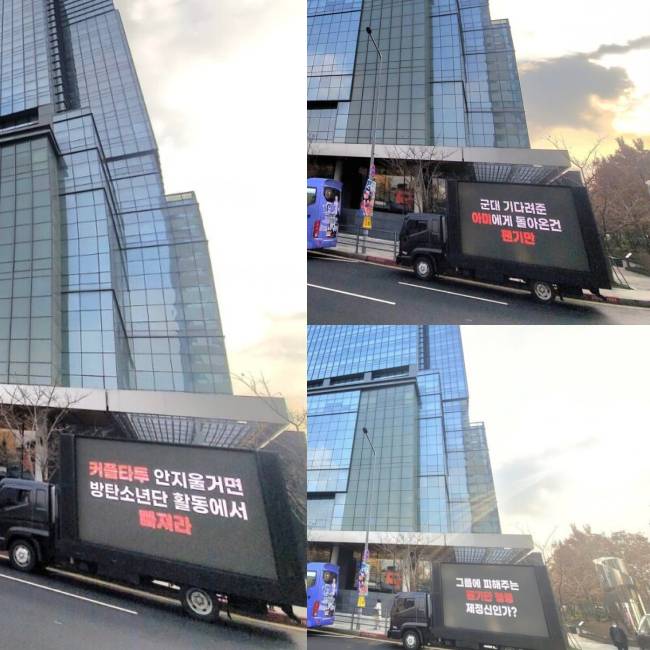
“Truck protests” have become a familiar sight in idol fandom culture whenever a rumor surfaces—regardless of whether it’s true. However, that does not mean this action is legal or acceptable. Personal attacks that cross the line, such as in this case, can be subject to punishment under the law. From the masterminds to the message writers and even financial supporters, none are exempt from legal responsibility.
According to legal experts, the first individuals who would face accountability are the organizers and executors of the protest. Article 307 of the кσяєαn Criminal Act states that publicly spreading information that harms another person’s reputation is a criminal offense.
Displaying statements such as ‘they’re dating’ or ‘they deceived fans’ on large LED screens is highly likely to be deemed an act made in public. In particular, expressions like “deceiving fans” or “if you want to date loudly, live like an ordinary person” may constitute defamation or insult. As the primary instigators who orchestrated the entire process, the organizers would find it difficult to avoid criminal liability.
The individuals who wrote the messages are not safe either. кσяєαn courts recognize that when two or more people participate in a crime, if they intend to contribute to the act—even without directly carrying it out—they may be considered accomplices. Therefore, if the organizer and the writer of the content are different people, they may both be charged as co-perpetrators of defamation.
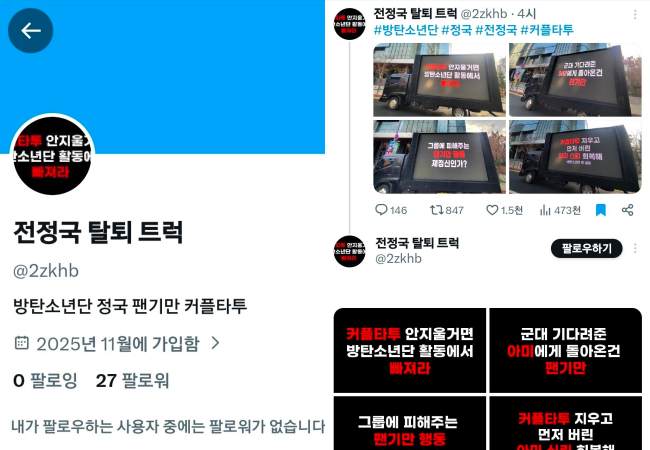
(One of the accounts that initiated the truck protest against Jungkook)
The issue becomes more complicated with those who “only donated money.” Truck protests are typically funded through online crowdfunding. Even fans who contributed as little as 10,000 or 20,000 won may face legal consequences. Legal professionals emphasize that the key factor is whether donors were aware of the specific content of the protest (the messages, the location, etc.) before contributing.
If the fundraising notice explicitly stated that it was a “protest against OOO’s dating rumor” with inflammatory messages, and donors agreed to participate despite that, they could be considered aiders or even accomplices. Providing financial support to someone preparing to commit defamation can be seen as handing them the “weapon” needed for the crime.
In the past, кσяєαn courts have ruled that individuals who supported travel expenses for participants in an illegal αѕѕembly could be punished as aiders. This shows that the reasoning of “I only wanted to show support” may not hold up.
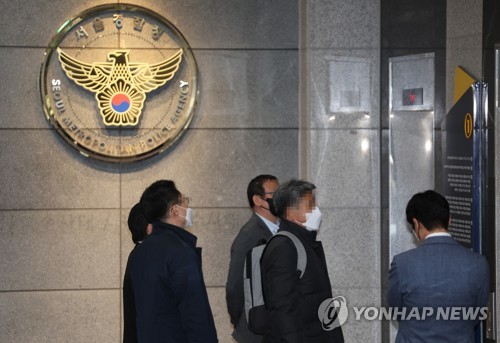
Truck protests are carried out in the name of love for an idol. But when the content crosses legal boundaries, these actions can be considered criminal offenses. It is time for those who wish to participate in such movements to think more carefully.
Meanwhile, BTS fans are urging HYBE to speak up or take appropriate legal action to protect Jungkook from malicious, targeted attacks ahead of the group’s comeback. Many argue that the company’s prolonged silence has unintentionally allowed defamatory acts and harmful rumors to spread. Some fans point out that stronger measures are needed—from identifying those behind the truck campaign to filing lawsuits to set a deterrent precedent.
This situation has also sparked a broader discussion about the responsibility of entertainment companies in protecting their artists from increasingly sophisticated forms of harαѕѕment. As the line between “personal opinion” and “deliberate attack” becomes blurred, many legal experts believe that early and decisive action is necessary to prevent more serious consequences for the artist’s reputation, mental health, and safety.