As BTS began making a name for itself globally, the group’s concert tickets became some of the most sought-after items on the secondary market, with the gap between resale prices and face value growing increasingly severe.
In 2017, scalped tickets for BTS’ “The Wings Tour” were reportedly listed in South кσяєα for as much as three times their original price. In 2019, tickets originally priced at US$65–230 were resold for as much as US$1,000–2,000. By 2026, even before the “ARIRANG” concert began, tickets with a face value of around 198,000 won (approximately US$150) had reportedly been marked up to 2.94 million won (around US$2,200), with some listings reaching as high as US$3,000–4,000.
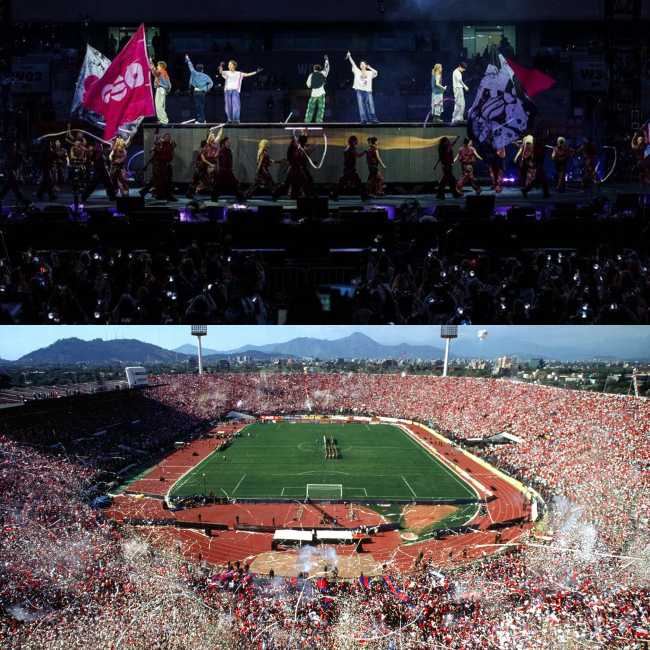
Amid the situation, the South кσяєαn government has tightened regulations and penalties against ticket scalping in recent years to protect consumers, artists, and the legitimate performance market. Against this backdrop, a new case involving a man who allegedly purchased multiple high-value properties using proceeds from scalping BTS concert tickets over seven years has drawn significant public attention.
Specifically, on September 16, the Cyber Crime Investigation Team 2 of the Gyeonggi Bukbu Provincial Police Agency announced that it had arrested and referred A, a man in his 30s, to prosecutors on charges of obstruction of business. According to the investigation, A used automated programs, known as macros, along with multiple accounts to purchase large quantities of tickets before reselling them at prices several times higher than their original value.
The operation lasted from September 2018 to April 2026, spanning approximately seven years and seven months. During that period, A allegedly purchased a total of 8,967 tickets for various events, ranging from idol concerts and performances by international singers in South кσяєα to musicals and sporting events. Police confirmed that the total resale revenue amounted to approximately 2.4 billion won (≈ US$1.75 million), with investigators estimating that around two-thirds of the amount may have been profit.
One of the most notable cases involved BTS directly. At the group’s concert at Jamsil Sports Complex in 2019, A allegedly purchased a ticket with a face value of 110,000 won and later resold it for as much as 3 million won — nearly 30 times its original price.
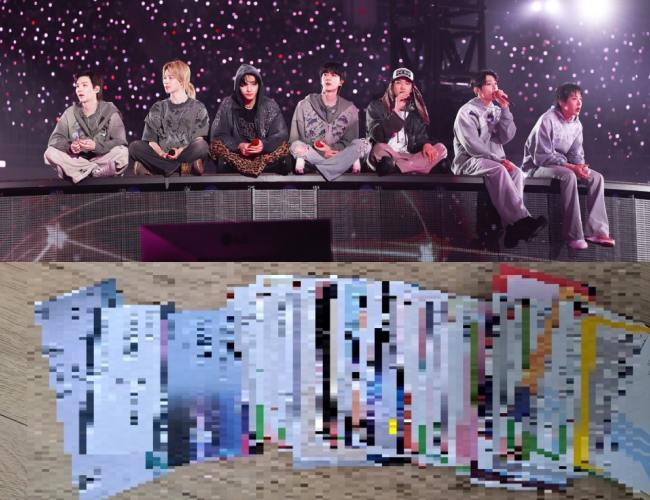
Police believe that A used the proceeds from ticket scalping to purchase one apartment and two commercial properties, including shops or shophouses. The apartment has since been sold. To recover αѕѕets allegedly obtained through criminal activity, ρσℓι¢є imposed preservation measures and restrictions on the disposal of αѕѕets worth approximately 1.26439 billion won, including the two remaining commercial properties and deposit accounts under A’s name.
The investigation found that after graduating with a degree in Economics from a university, the man did not have a stable occupation and instead made a living solely through ticket scalping. Despite having large sums of money deposited in his bank accounts, he registered a business as an e-commerce operation and continued his activities in an apparent attempt to avoid raising suspicion from the National Tax Service.
A primarily operated through a social media group chat dedicated to the trading of scalped tickets, which had 1,309 members. Members exchanged information about automated programs, scalped-ticket data, and ρσℓι¢є crackdowns on ticket scalping.
A allegedly used not only his personal accounts but also accounts belonging to seven relatives and family members to secure tickets. Once the tickets were obtained, he delivered them to customers through various мєтнods, including changing the delivery address to the buyer’s address, transferring tickets online, or personally handing over wristbands at the concert venue on the day of the event.

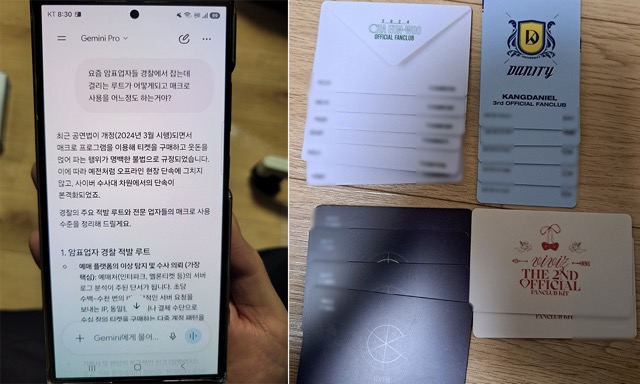
The operation finally came to an end in April 2026. After reading news reports about the arrest of a large-scale ticket-scalping ring, A reportedly feared that his own activities would be exposed and stopped trading. He then closed his registered business and factory-reset both the computer and mobile phone he had been using. He also reportedly queried an AI about matters related to ρσℓι¢є investigations into ticket scalping.
However, these attempts to erase evidence failed to conceal his activities from investigators. Police seized a USB drive containing case-related data and reconstructed his entire transaction history through digital forensics. Investigators also discovered that A had previously obtained information and sought accomplices through a large domestic SNS group chat dedicated to ticket scalping, which was shut down in March.
During questioning, A denied the allegations, claiming that he did not know ticket scalping was illegal. He also argued that he had paid taxes and had not caused harm to anyone. Nevertheless, ρσℓι¢є continued to pursue the case based on the transaction records and digital evidence they had collected.
The arrest comes as ticket scalping continues to surge in South кσяєα, affecting major concerts by K-pop artists in general and BTS in particular. The “ARIRANG” concert alone received 102 reports related to illegal ticket sales in South кσяєα between September 2025 and August 27, 2026, the highest number among the events included in the data.
Meanwhile, South кσяєα is stepping up its crackdown on ticket speculation. Kim Jeong-hyun, head of the 2nd Cyber Crime Investigation Unit at the Gyeonggi Bukbu Provincial Police Agency, stated, "With the revised Public Performance Act and the National Sports Promotion Act coming into effect on the 28th of last month, scalping transactions without the use of macros can now also be punished." He added, "Since ticket scalping is an unfair practice that disrupts the public's cost of living, we will continue to track down other scalpers currently under investigation."