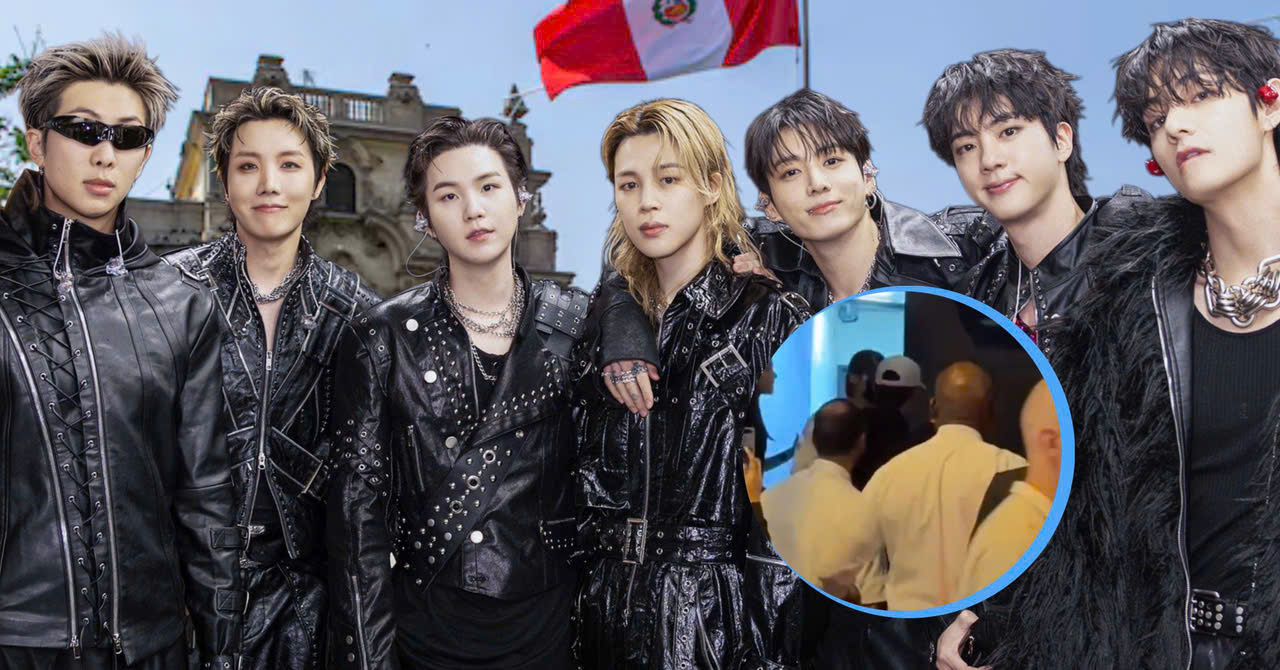
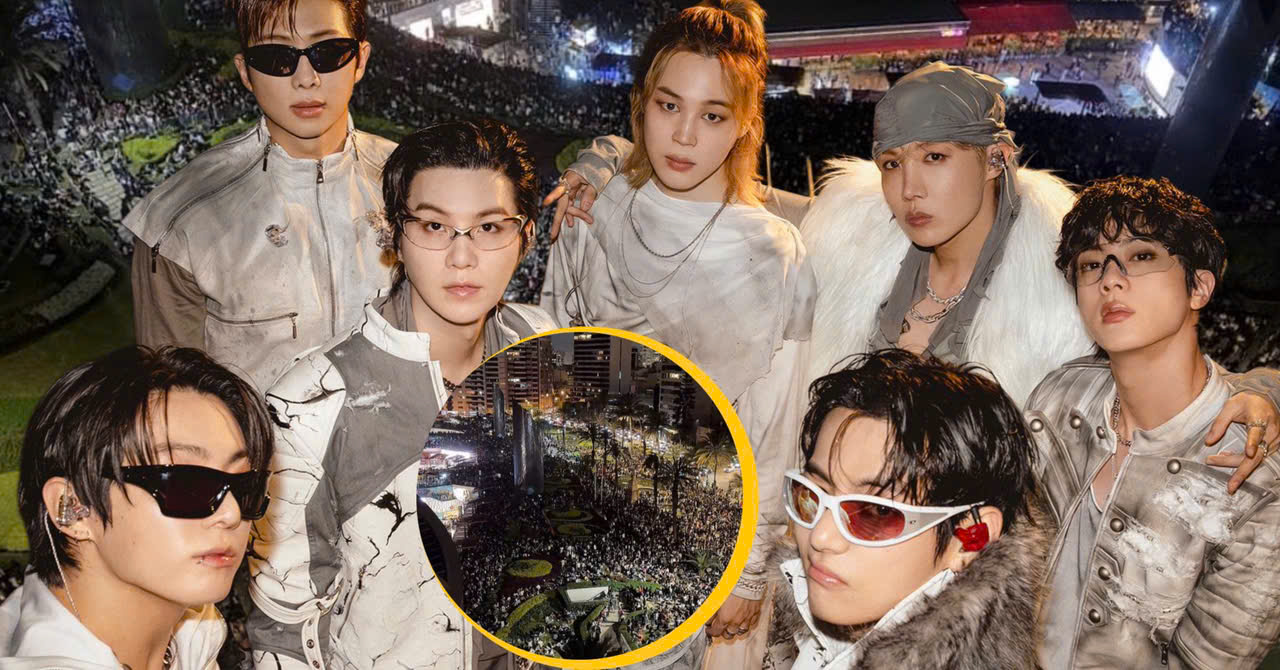
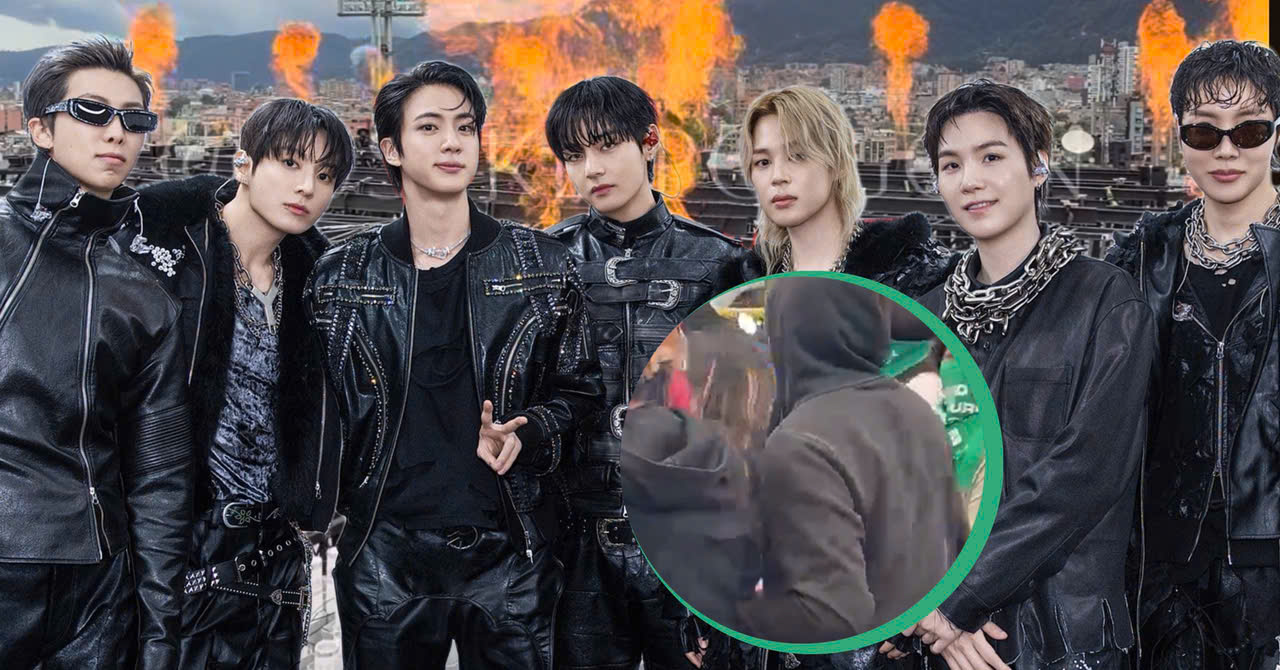
For the past month, the VMAs have been facing major backlash from ARMYs after announcing nominations for several categories, with BTS receiving only two nominations: Song of the Year for “SWIM” and Best K-Pop. The number was significantly lower than what many fans and industry insiders had expected, especially in a year when BTS achieved major success with their ARIRANG album and sold-out world tour.
BTS’ limited number of nominations and absence from major categories left fans deeply frustrated. One fan questioned: “The VMAs noms are a JOKE this year, they ignored ARIRANG and BTS and only SWIM got nominated for Song of the Year category,” while another was stunned: “Biggest artist of 2026 !! But only 2 nominees on @vmas?? Only Song of the year and Best Kpop?? Not in the Artist of the year or Best Pop??"
The frustration grew even stronger as the Album of the Year category was dominated entirely by αмєяι¢αn artists such as Ariana Grande, Bruno Mars, and Taylor Swift, leading ARMYs to suspect that the VMAs were following in the footsteps of the Grammys by favoring domestic artists.
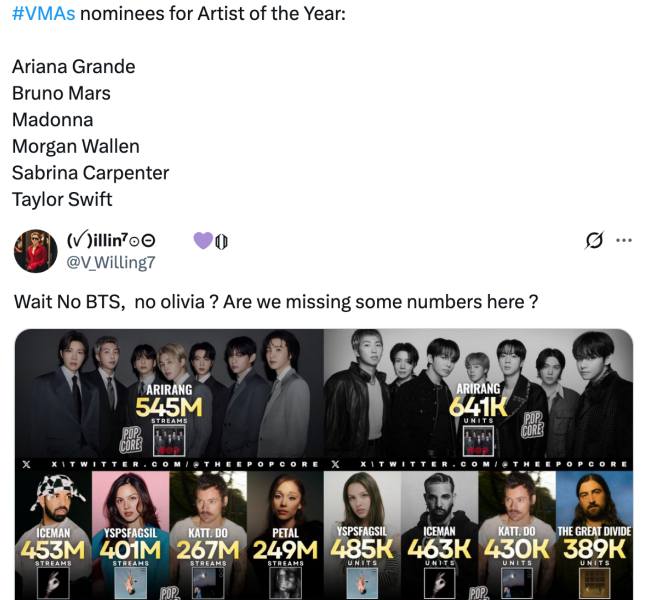
Just a month after the controversy, ARMYs’ frustration with the VMAs is far from over—and the award show’s latest action has just sparked another huge backlash!
On September 18, the VMAs posted additional nomination lists for this year’s awards, including two major categories: Best Album and Song of the Summer. Notably, neither list included one of the biggest names of the summer — BTS — who had topped the Billboard 200 for three consecutive weeks with ARIRANG, nor “SWIM,” one of the summer’s most accomplished songs.
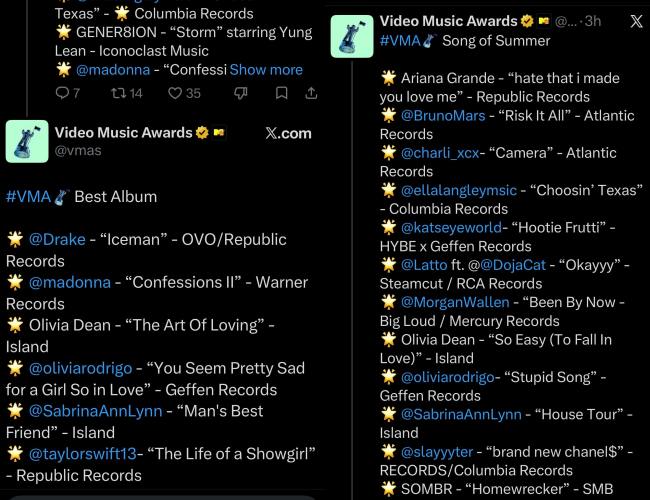
One outraged fan leading the wave of criticism wrote: “This VMAs nominations can’t be serious.. They didn’t nominate SWIM for Song of the Summer despite charting higher and topping the charts, didn’t nominate BTS for Artist of the Year, didn’t nominate ARIRANG for Best Album...This is clearly based on attendance, label push, visibility, and whatever else goes on behind the scenes because it’s clearly not just about charts, numbers, impact or actual achievements.”
What made fans even more furious and further eroded their trust in the VMAs was the unusual response that followed from the organizers. After facing a wave of backlash over claims that the awards had treated BTS — one of the biggest names in music today — unfairly, the VMAs quietly deleted the posts announcing the Best Album and Song of the Summer nominations and also removed the information from their official website.
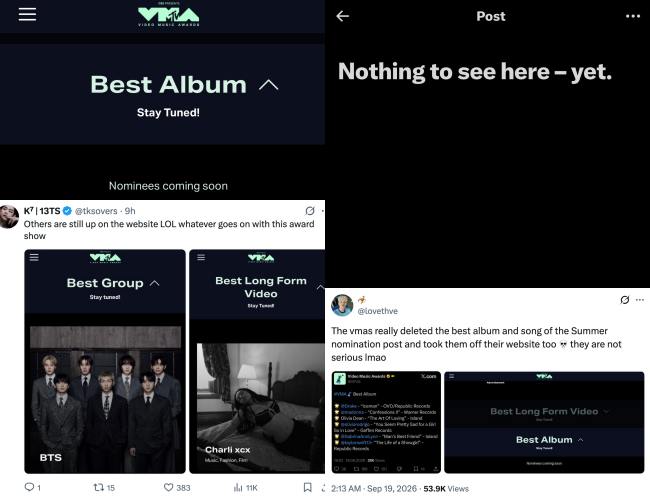
The fact that a major award show appeared to delete and alter nomination lists shortly after announcing them raised questions about the consistency of its criteria and decision-making process. It also prompted major concerns over the clarity and transparency of the awards’ nomination process.
One fan mocked: “The VMAs did it again. After getting backlash for snubbing BTS from the Best Album and Song of the Summer category, they deleted their posts. This award show will never be consistent.”
Another fan pointed out: “At this point, we should still vote for VMA but don't expect anything. It's very clear it's all attendance & sponsor based. Not nominating BTS for both Artist of the Year and Album of the Year is already enough proof. They even said it in their rules”.
Since last month, ARMYs have also pointed out what they believe is a suspicious loophole that raises further questions about the VMAs’ transparency and fairness. While the rules publicly posted on the website state, “The 'Nominee' with the most votes... will be declared the winner...”, they also include a series of special powers reserved for the organizers: "Sponsor reserves the right to select the winners at its discretion...” “...if this voting process is interrupted... found to have been tampered with... or for any other reason...” and “...Sponsor reserves the right at its sole discretion to cancel, terminate, amend, modify, extend or suspend the voting process...”
The inclusion of these discretionary clauses has led some fans to question whether the public voting race is merely symbolic, raising a bigger question: Does actual au∂ιєnce support truly determine the final results? A mechanism that appears to leave room for subjective intervention not only, in the view of these fans, diminishes the value of artists’ efforts, but also risks turning the online voting process into a “joke” and undermining the fairness expected of an award show.