The spotlight of fame always comes hand in hand with the darkness of criticism and hatred. In the public eye, no celebrity is ever perfect or universally praised. This is a harsh reality that cannot be avoided once one steps into the world of celebrity—especially in South кσяєα’s entertainment industry, where such negativity is particularly intense.
In recent years, the кσяєαn idol and celebrity community has witnessed many нєαятвяєαкιиg ∂єαтнs, including Shinsadong Tiger, Moonbin (ASTRO), Goo Hara, Sulli, Kim Jong-hyun, and Lee Sun-kyun, which were determined to be suicides. Many of them endured periods of immense pressure, depression, and suffering before their lives came to an end. One of the major factors contributing to their severe mental decline was the overwhelming negativity coming from online communities.
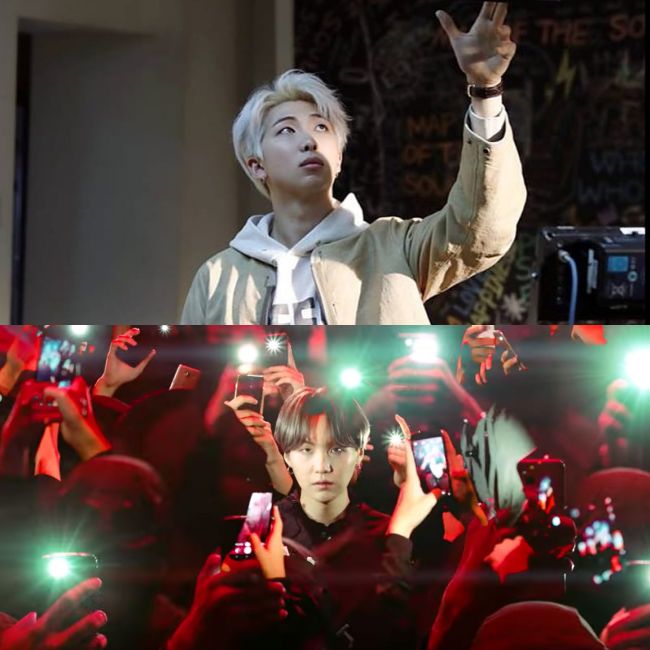
Even BTS—widely regarded as the leading symbol of a “clean image,” not only in K-pop but on a global scale—have continuously faced countless waves of hatred and criticism every hour, every day, on social media. RM once openly admitted, “It takes 5 seconds for someone with a pαѕѕing feeling of animosity towards me to type a hate comment. But I read that comment and mull it over for 5 hours, 5 days". Meanwhile, SUGA has repeatedly spoken about his struggles with anxiety and depression in the past due to intense public pressure.
Although the reality behind the stage is undeniably cruel, it does not mean that everyone must abandon their dream of fame. The public’s harsh words are soмєтнing that can never truly be controlled. Therefore, the most important thing is learning how to confront negativity oneself and building a mental immune system against the toxic content that exists on social media.
The members of BTS—especially Jin—have grasped this secret after many years in the industry, which is why they have been able to stand strong for over a decade amid the entertainment world’s relentless waves of negativity. In an episode of Salon Drip 2, Jin generously shared his effective way of dealing with insults, offering what can be seen as valuable advice for younger idols to learn from.
Specifically, when host Jang Do-yeon curiously asked about the origin of the nickname “WWH” (Worldwide Handsome), Jin confidently stated that he gave the nickname to himself: "A lot of people like calling me that and I’m a celebrity, so…". He continued, "I’m internationally handsome. Of course, there are a lot of people who are better-looking than me, but that doesn’t make me ugly."
Jin went on to add, "Because of that mindset, and I think I’m handsome too so I confidently tell people that I am." The key point, he explained, is this: “When someone tells me I’m ugly, I laugh it off. I just think, “That’s nonsense’”. He treats such attacks as “jokes” and “lies” because he is confident in himself, loves himself, and clearly understands his own worth.
Upon hearing Jin’s perspective, Jang Do-yeon could do nothing but admire him, commenting, “That’s such a strong shield you have. The other person would be the one looking in the mirror and feeling sad.”
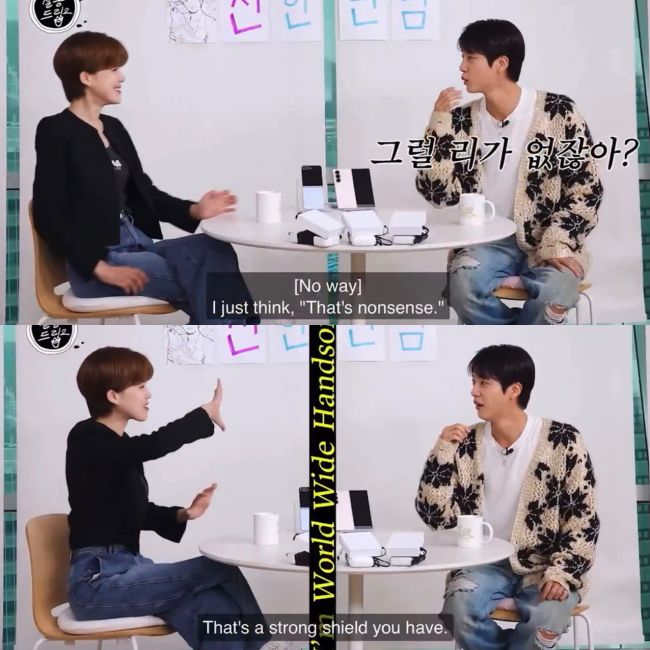
Jin also agreed that positive thinking has become his greatest source of strength in dealing with hatred and negativity. He shared, "When something unexpected happens, I just think, “That’s obvious, because I’m a superstar!” I started thinking that way after I was discharged from the military. Anytime I hear something, I just go, “That’s bound to happen because I’m a superstar.””
Jang Do-yeon then asked, “Is there a reason why you started thinking that way, or you just found that solution yourself?” Jin quickly replied, “I once said it out loud, and I realized it was a good resolution. So every time I heard something negative, I would habitually say, “It’s okay because I’m a superstar.” And I would end up thinking that it was nothing after all.”
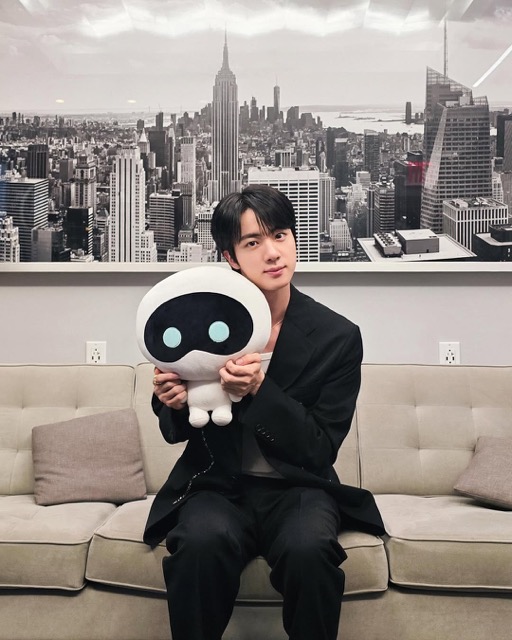
Many trage∂ιєs in K-pop arise when artists become trapped in the public’s relentless scrutiny. Jin has pointed to a different path: self-liberation and self-understanding. We cannot please everyone—especially in the entertainment industry. Being liked by some is good, losing others is not a problem, but trying to please everyone will only make you lose yourself.
In addition, Jin emphasized a crucial perspective: never compare your worst version to someone else’s most polished version. If you cannot acknowledge and praise yourself, how can you expect others to speak well of you?
On the other hand, young idols often fear criticism without realizing that even after becoming a superstar, haters will always dig up reasons to dislike them. Instead of living in fear or being psychologically affected by careless online comments, build a “safe zone” within your mind, strengthen your abilities, improve your shortcomings, and give your all. When that time comes, your intrinsic value will naturally attract those who truly love you.