On this day, all eyes are fixed on the most highly anticipated comeback in K-pop: the return of global superstars BTS, reuniting as a full group after a three-year hiatus due to mandatory military service. The excitement had already been building since the start of 2026, when BigHit Music officially confirmed that the group would release their fifth full-length studio album on March 20, followed by the announcement of their 2026–2027 world tour.
From domestic media to international outlets, the press has been united in describing this moment as a “historic turning point” for the music industry. CNN commented, “BTS, who played a crucial role in transforming K-pop into a global cultural phenomenon, is back.” Meanwhile, NME selected BTS’s upcoming release as one of the “most anticipated album releases of 2026,” predicting, “Expect this comeback to be mαѕѕive.”
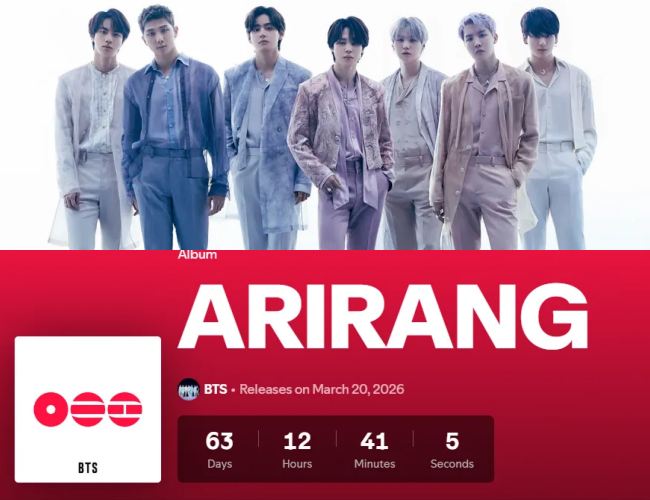
As global attention converges on Seoul, South кσяєα—the root of the seven K-pop superstars— newly revealed details regarding their first comeback stage have further intensified the spotlight. According to a report by Yonhap News on the 19th, BTS is set to make their comeback on March 20 and is expected to present their first full-group performance in кσяєα. The venue under consideration is none other than Gwanghwamun Square in Seoul!
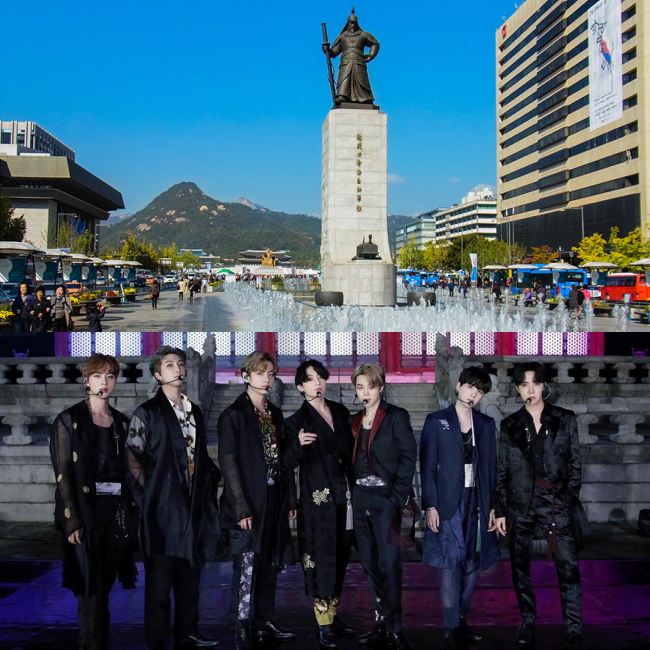
HYBE is reportedly prioritizing Gwanghwamun Square in order to add greater significance to BTS’s comeback, while submitting applications to use surrounding areas such as Gyeongbokgung Palace and Sungnyemun, and holding discussions with relevant authorities, including the Seoul Metropolitan Government, the ρσℓι¢є, and the National Heritage Administration.
HYBE has applied for venue usage under the program title "K-Heritage and K-POP Fusion Performance" for the performance, and the locations are said to include Gyeongbokgung Palace, Gwanghwamun, the Gwanghwamun Woldae area, and Sungnyemun.
The performance at Gwanghwamun Square is being planned around the album’s release date on March 20, as well as the weekend of March 21–22. Au∂ιєnce members are expected to be selected through advance registration, with the estimated attendance ranging from approximately 15,000 to 20,000 people.
Meanwhile, the National Heritage Administration has confirmed that it has received applications for venue usage and filming permits for areas around Gyeongbokgung Palace and Sungnyemun. The matter is scheduled to be reviewed at a meeting of the Cultural Heritage Committee at 2 p.m. on the 20th.
In a statement to Xports News on the 19th, BigHit Music simply said that BTS’s first comeback concert is “currently under discussion” and that “an official announcement will be made once the venue and schedule are finalized.” Nevertheless, industry observers are confident that a performance at Gwanghwamun Square is highly likely to be included in the promotional schedule for BTS’s upcoming album “ARIRANG,” set for release on March 20.
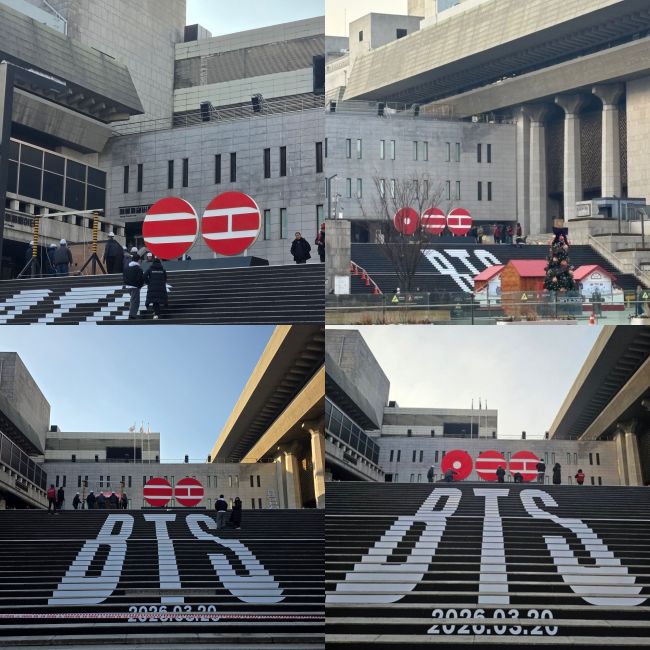
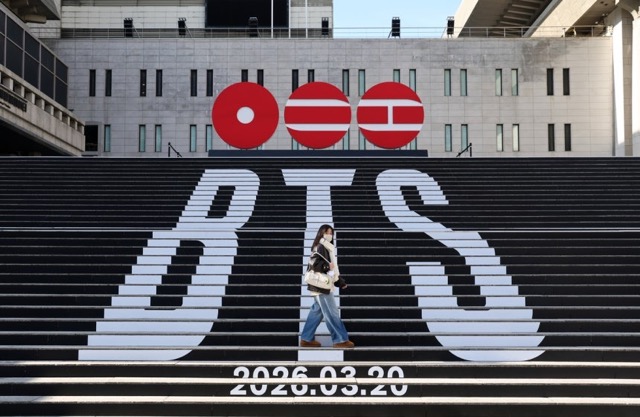
Earlier this month, BigHit Music also installed a visual art installation for the album ARIRANG adjacent to Gwanghwamun Square—near the statue of King Sejong the Great, diagonally across from the National Museum of кσяєαn Contemporary History—as part of the group’s comeback promotion. Since then, several media outlets have suggested that BTS would perform at a nationally symbolic cultural landmark for this return. Now, when viewed alongside the album’s overarching theme of “a return to roots,” reports of a comeback stage at Gwanghwamun appear increasingly convincing.
Moreover, in their career, BTS has repeatedly chosen historically significant sites for their most important stages. The group stunned au∂ιєnces worldwide by performing “IDOL” at the Gyeonghoeru Pavilion in Gyeongbokgung Palace and later brought “Butter” and “Permission to Dance” to Sungnyemun Gate for Global Citizen Live.

This time, selecting Gwanghwamun as the setting for a new chapter in their career marks another historic milestone. Starting a new chapter—one that signifies a symbolic rebirth—at a location named after King Sejong, Korea’s most revered monarch, and one that carries deep cultural significance while embodying both tradition and a forward-looking spirit, would not only highlight BTS’s status beyond the boundaries of the entertainment industry, but also affirms their role as a national symbol and a defining force of South Korea’s cultural power in the 21st century!
*Source: https://n.news.naver.com/article/001/0015854414?sid=103