After 45 months of anticipation, BTS’s long-awaited new album is finally making extraordinary waves. The group’s fifth full-length studio album, titled “Arirang,” began pre-orders on the 16th and surpαѕѕed an impressive 4 million copies in pre-sales within just one week. Meanwhile, all three nights of their World Tour concerts at Goyang Stadium, scheduled for April 9, 11, and 12, sold out completely. The group has also confirmed one additional show each in Tampa and Stanford (U.S.).
This phenomenon is the very “miracle” that both кσяєαn and international media had predicted since the beginning of the year, amid global excitement as the world’s top K-pop superstars began dropping hints about their long-awaited return. One of the earliest signs spotted by ARMYs was a large-scale visual art installation unveiled in front of the Sejong Center for the Performing Arts on January 4.
At the time, fan excitement surged as the album’s ARIRANG branding appeared in one of Seoul’s busiest central districts, with BTS’s name painted across the steps alongside their official comeback date, March 20, 2026. The installation felt like a bold, public declaration to fans worldwide: the kings are back.
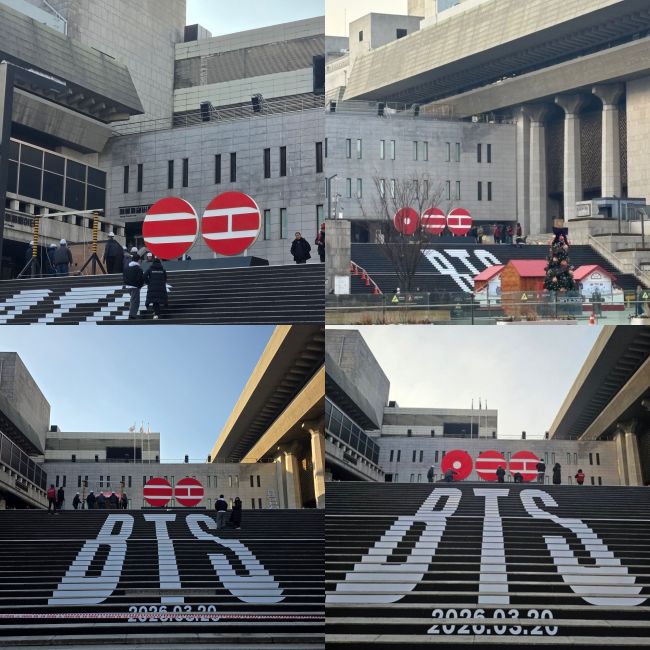
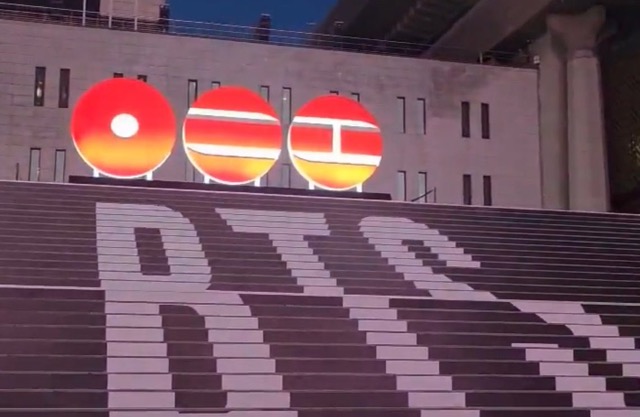
The Sejong Center, however, is far more than just a theater. It is Seoul’s largest cultural and arts complex and is widely regarded as a “sacred ground” for the performing arts. The BTS visual installation was also located right next to Gwanghwamun Square—home to the statue of King Sejong the Great—diagonally across from the National Museum of кσяєαn Contemporary History and just steps away from Gwanghwamun subway station. These symbolic and geographical factors further elevated BTS’s comeback, giving it a distinctly historic significance.
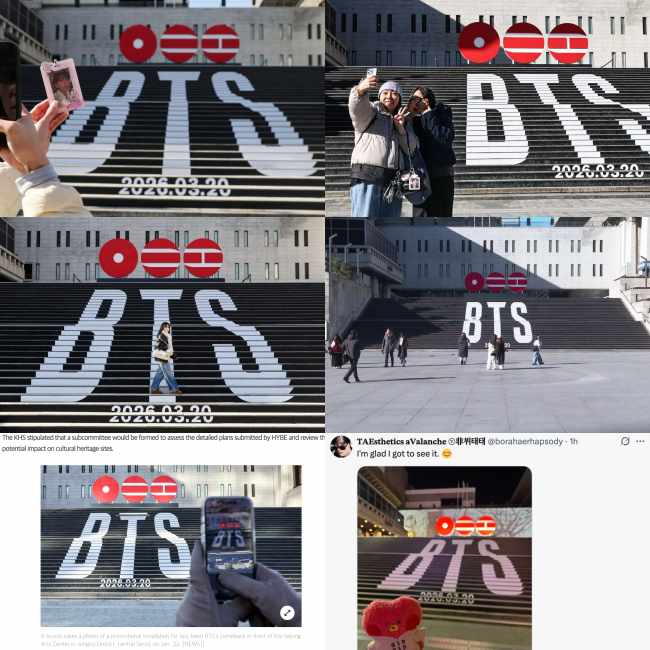
Numerous fans and visitors traveling to Seoul flocked to see the installation in person. Social media platforms and international media outlets soon filled with photos of fans posing in front of BTS’s album branding, highlighting its widespread popularity and impact.
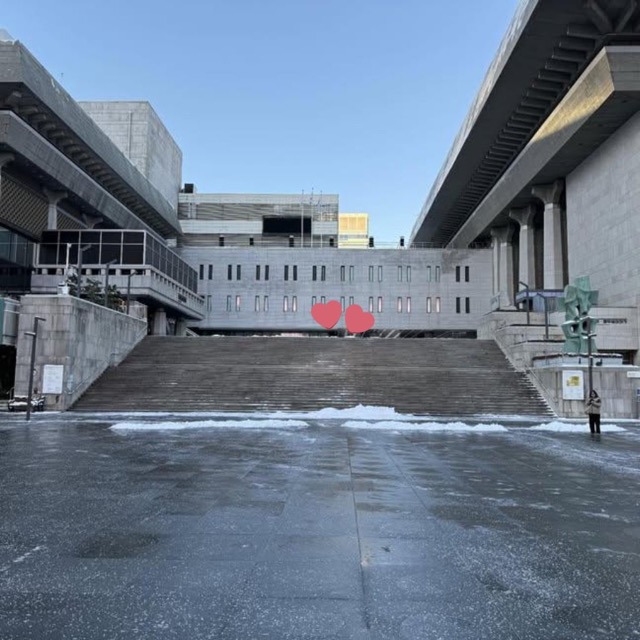
However, after being on display for 20 days, local fans reported on the 24th that the ARIRANG visual installation had been dismantled. Observations confirmed that the entire logo structure had been removed, and even the painted lettering on the steps was completely erased, restoring the area to its original state as part of the museum grounds.
Many fans expressed surprise and disappointment upon hearing the news. One fan commented, “Aww #BTS comeback at Gwanghwamun is no longer happening! I thought it would be until BTS's comeback date~.” Another echoed the sentiment, saying, “Naurrrr the way I thought it was gonna be there at least till the Goyang concert.” At least, fortunately, many fans had already managed to capture photos with the iconic installation before its removal.
Despite the lingering sense of regret over the installation’s early removal, fans quickly redirected their excitement toward BTS’s first live performance, scheduled for March 21 at Gwanghwamun Square. On the afternoon of March 22, Seoul city officials announced that the metropolitan government had conditionally approved the use of the venue for the “BTS 2026 Comeback Concert in Seoul,” following a request from HYBE and BigHit Music.
Au∂ιєnce members are expected to be selected through advance registration, with estimated attendance ranging from approximately 15,000 to 20,000 people. Beyond the highly anticipated performance, the city also plans to host a variety of experiential programs for international visitors, including BTS’s global fandom, ARMY. To celebrate BTS’s return, Seoul aims to create a festive atmosphere throughout the city, offering entertainment that combine K-pop with Hallyu (кσяєαn Wave) content.
Kim Chang-gyu, Head of the Seoul Balanced Development Headquarters, stated, "We will review and implement management plans with the safety of citizens and tourists as our utmost priority. We will prepare a variety of events so visitors can fully experience the charm of Seoul, turning Gwanghwamun Square into a true K-pop landmark."
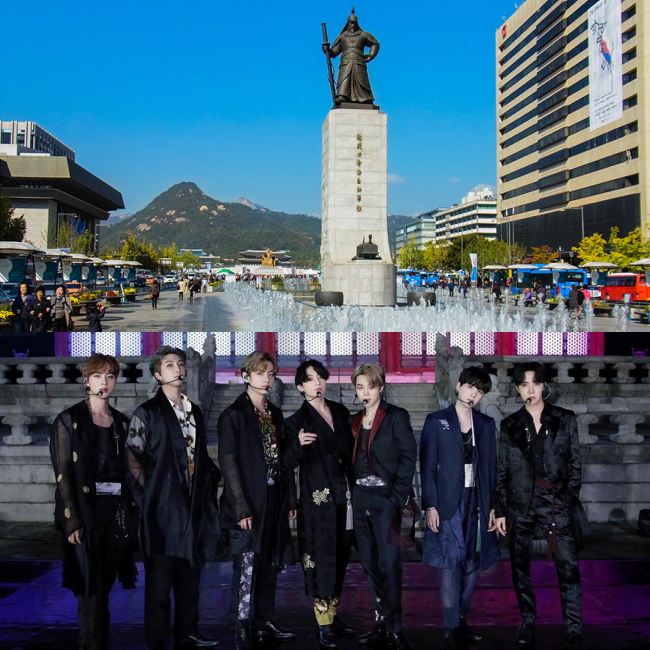
Meanwhile, BTS’s decision to begin a new chapter of their career at Gwanghwamun Square marks a historically meaningful milestone. The concept of starting anew—symbolizing “rebirth”—at a location named after King Sejong the Great, the most revered monarch in кσяєαn history, carries profound cultural symbolism, representing both heritage and progress. This moment not only reaffirms BTS’s status beyond the boundaries of the entertainment industry but also cements them as a source of national pride and a defining symbol of кσяєα’s cultural power in the 21st century.