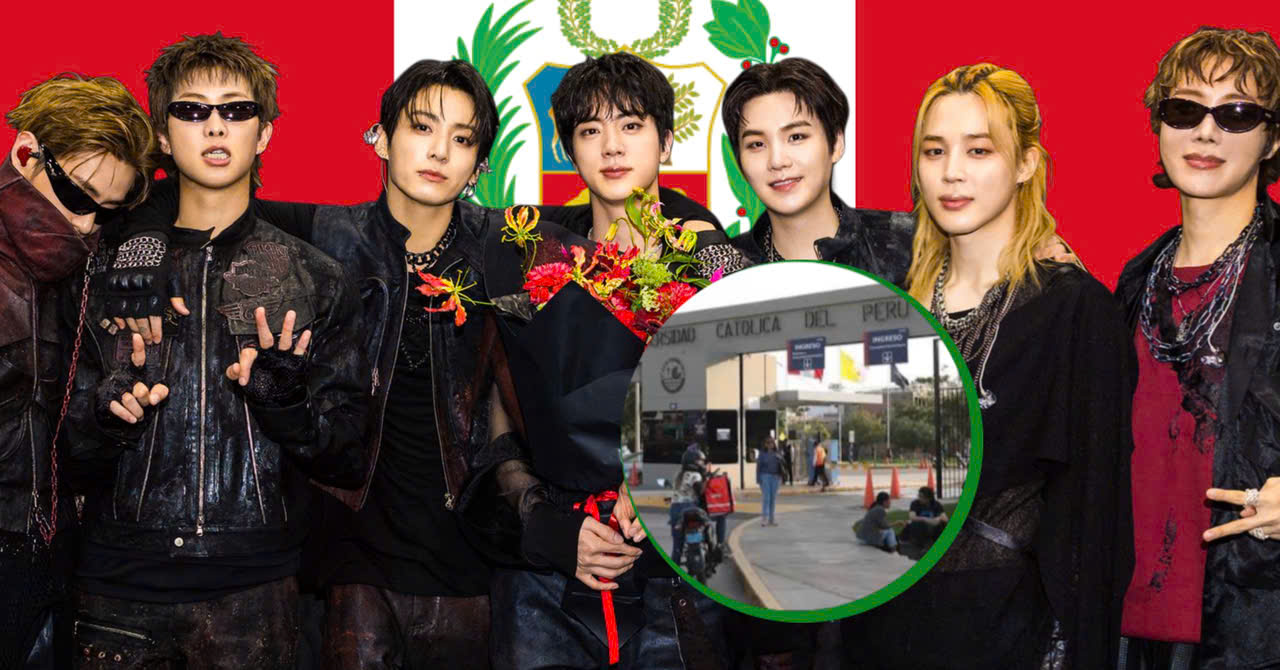
How long will K-pop have to remain stuck under the label of “Asian music”? BTS’s recent boycott of the Grammys has brought this age-old question back to the surface. In response to the Grammys’ introduction of the new Best Asian Pop Music Performance category this year, BTS chose not to submit their music for consideration, sending a clear message: “We hope music will be recognized and loved for what it is, rather than being divided by region or language.”
Major international media outlets such as The New York Times in the US and the BBC in the UK have given extensive coverage to the issue, describing it as “a subtle yet powerful criticism of the Grammys.” Fans around the world have also shown their support by pushing “Aliens” — a track from BTS’s fifth studio album that satirizes the Western perception of Asians as “outsiders” — back up the music charts in a powerful show of solidarity.

It is not just fans who have rallied behind BTS. A number of prominent figures, including Hyundai Motor Company CEO and Vice President Diego Bluff, ιи∂ιαn music producer Salim Merchant, Tablo of Epik High, K-Pop: Demon Hunters director Maggie Kang, Bang Yong-guk, and Daniel Dae Kim, have also spoken out in strong support of BTS’s stance on social media. Among those standing behind BTS is one particularly notable figure — three-time GRAMMY-winning producer Ricky Kej!
Ricky Kej is certainly no stranger to the GRAMMYs. He won his first GRAMMY in 2015 for Best New Age Album with Winds of Samsara, followed by Best New Age/Ambient/Chant Album in 2022 and Best Immersive Audio Album in 2023, with Divine Tides earning him both of his later wins. He is also widely known as an environmental activist and has served as a Goodwill Ambαѕѕador for the United Nations Convention to Combat Desertification (UNCCD).
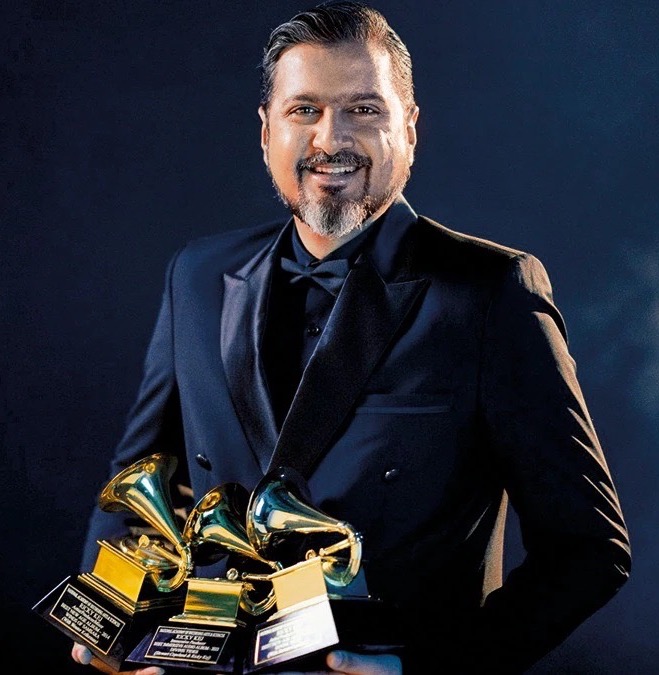
In an analytical essay published by Rolling Stone ιи∂ια, Ricky Kej described BTS’s decision as “a remarkably courageous step.” Voluntarily pulling an album that was being considered for nominations in major categories off the table and turning away from a trophy that was seemingly within reach simply to stand by their principles is not a choice everyone can make. Only artists who have already earned a recognized position in the industry have the standing to turn down an award. Reaching that position and then making such a choice are both worthy of respect.
Regarding the newly established Best Asian Pop Music Performance category at the Grammys, he did not hold back in his criticism: "It is an act of isolating Asian artists from the main award stages and tying them down in a designated corner on the periphery. This is not true inclusion, but segregation." He added that the category targets K-pop, J-pop, and C-pop while overlooking the rich and diverse musical traditions across Asia.
In an exclusive interview with ιи∂ιαn media outlet News9Live, Kej continued to express similar views. He said that BTS “definitely made the right decision,” emphasizing that “this issue is not limited to just this one group; it is a much larger problem.” He also raised concerns that while BTS’s natural place to compete should be the main Best Pop Duo/Group Performance category, the Grammys could arbitrarily move their submissions to the Asian Pop category even if they were submitted to the former.
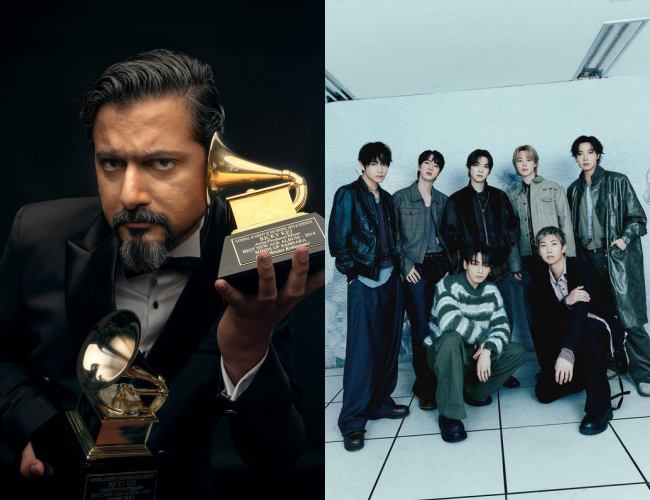
ARIRANG debuted at No. 1 on the Billboard 200 and remained at the top of the chart for three consecutive weeks. It also set a record for the highest first-week sales by a group in more than a decade, with 640,000 copies sold. The album had also been widely regarded by major Western media outlets as a strong contender for a nomination in the Album of the Year category. When the Grammys announced five new categories in June — including Best Asian Pop Music Performance — Adam Mutterperl, a voting member of the Recording Academy, also expressed the view that BTS should compete in major categories such as Album of the Year rather than the new Asian Pop category.
Following the publication of Kej’s essay, international fans left numerous comments expressing their support. One fan wrote on X (formerly Twitter): “This man has personally experienced representing Asia on the world stage yet not being properly recognized because of it. I’m glad so many incredible artists are speaking up.” Another fan echoed Kej’s sentiment, stating: “True inclusion means giving world-clαѕѕ artists a spot on the main stage, not creating a separate space for them.”
K-pop is no longer a genre confined to a specific region. It has become a driving force in the global mainstream music market. BTS’s boycott is not simply a refusal to compete for an award, but an open question to the global music industry about the standards applied to non-English-language music. Now, it is time for the Grammys to give an answer!